
Project description
Indigenous-plant expertise and local traditional leadership anchor a nursery and community learning center. Plans connect seed conservation, agroforestry, water systems and vocational training with community health and women-led sanitary-pad production.
Explore the community context, existing work and development plans described by the project.
More project details
- Community estimate
- ~500 plus households
- Traditional Authority
- Chief (Village 33)
- Primary Ecosystem
- Forest / Agricultural / Watershed
- Reported direct beneficiaries
- Schools and community villagers
- Planned Reach (10yr)
- 5,000–10,000
- Training Completed
- Earth Awareness · Nursery Management
Community Context
The Burma Valley / Vumba Tree Nursery Project is situated in Village 33, Mutare District, Manicaland Province - a region of exceptional ecological richness in the eastern highlands of Zimbabwe, bordering Mozambique. The Vumba and Burma Valley area is characterised by montane forest, mist-belt ecosystems, and extraordinary biodiversity, much of it under increasing threat from artisanal and industrial mining, deforestation, and land degradation.
The community of approximately 500 households faces overlapping challenges: declining agricultural productivity due to soil degradation, water scarcity, and the environmental impacts of mining activity. Women carry a disproportionate burden - working hard to keep children in school while facing limited economic opportunity and inadequate access to healthcare.
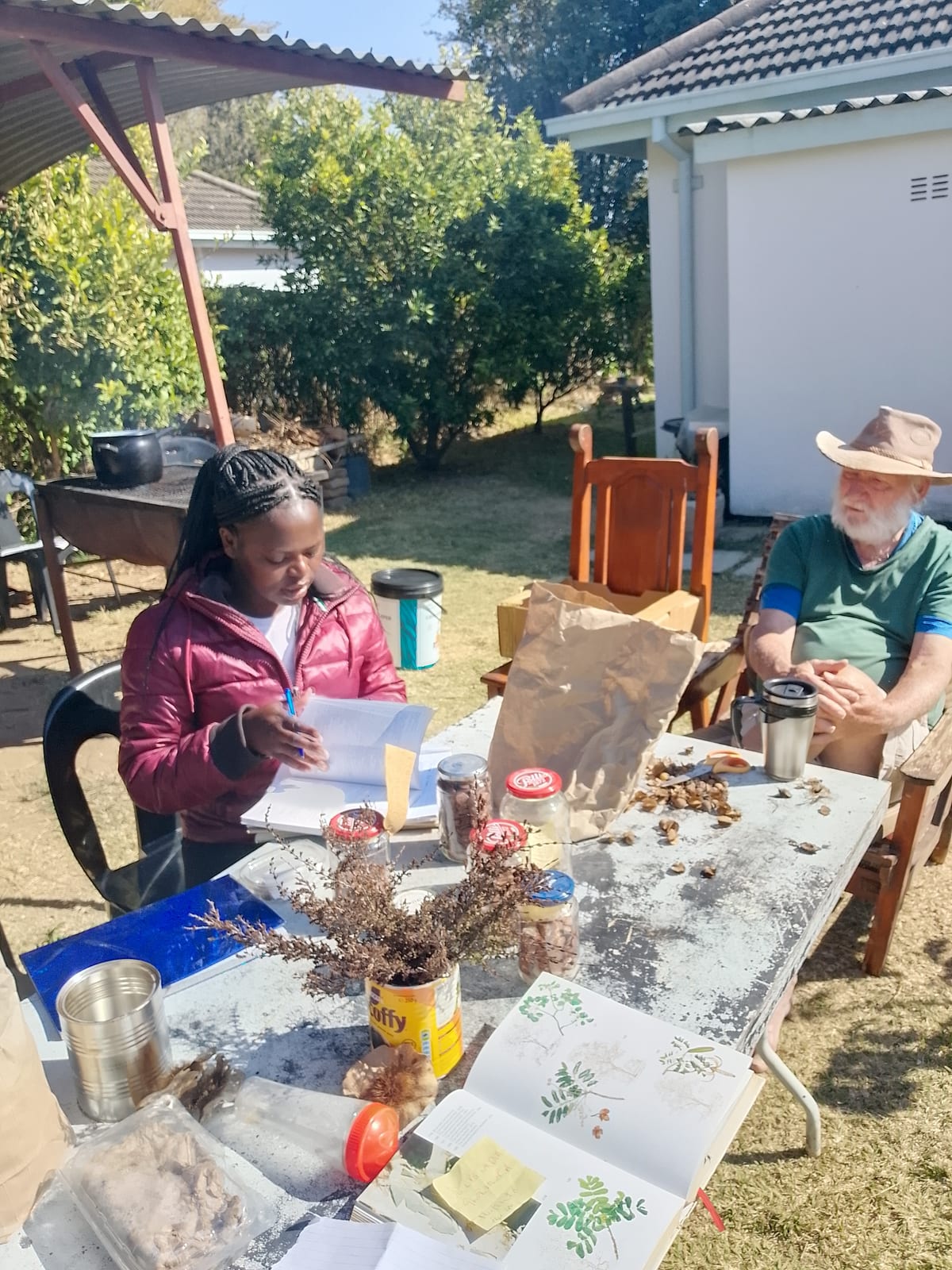
Peter Magosvongwe brings to this project something rare in development: decades of deep, working knowledge of Zimbabwe's indigenous plant species - their ecology, medicinal properties, cultivation, and cultural significance. As a member of the Tree Society of Africa and the Tree Society of Zimbabwe, Peter's expertise positions the Burma Valley project not merely as a community nursery but as a living repository of indigenous botanical knowledge with continental reach.
New Development - Central Community Site (June 2026): At a community function, the Village 33 Chief publicly introduced the project to residents and called on the community to join, offering a centrally located site for the establishment of a community tree nursery and learning centre. This central location is a significant advance: it removes the need for schoolchildren and community members to travel to the original Burma Valley site - a journey whose transport cost had been prohibitive for both children and parents.
The Chief has committed to officially opening the centre once established and to mobilising community attendance, and has invited Peter to bring additional projects into the community. This endorsement from traditional authority provides a foundation of trust, access, and local ownership from the outset. The central site becomes the community-facing hub of the project, with the broader systems below sited there as the allocated land permits.
Ecological Landscape
The Burma Valley and Vumba highlands represent one of Zimbabwe's most significant biodiversity corridors - a montane forest and mist-belt ecosystem with high endemism, watershed significance, and exceptional potential for indigenous plant cultivation. The region supplies water to communities across Manicaland and into Mozambique, making watershed protection a national and cross-border priority.
Current environmental pressures include:
- Deforestation from artisanal and industrial logging and charcoal production
- Soil degradation and erosion from mining activity and agricultural clearing
- Water scarcity and watershed disruption from land use change
- Biodiversity loss - including medicinal and indigenous plant species
- Abandoned and active mining sites causing river contamination and habitat disruption
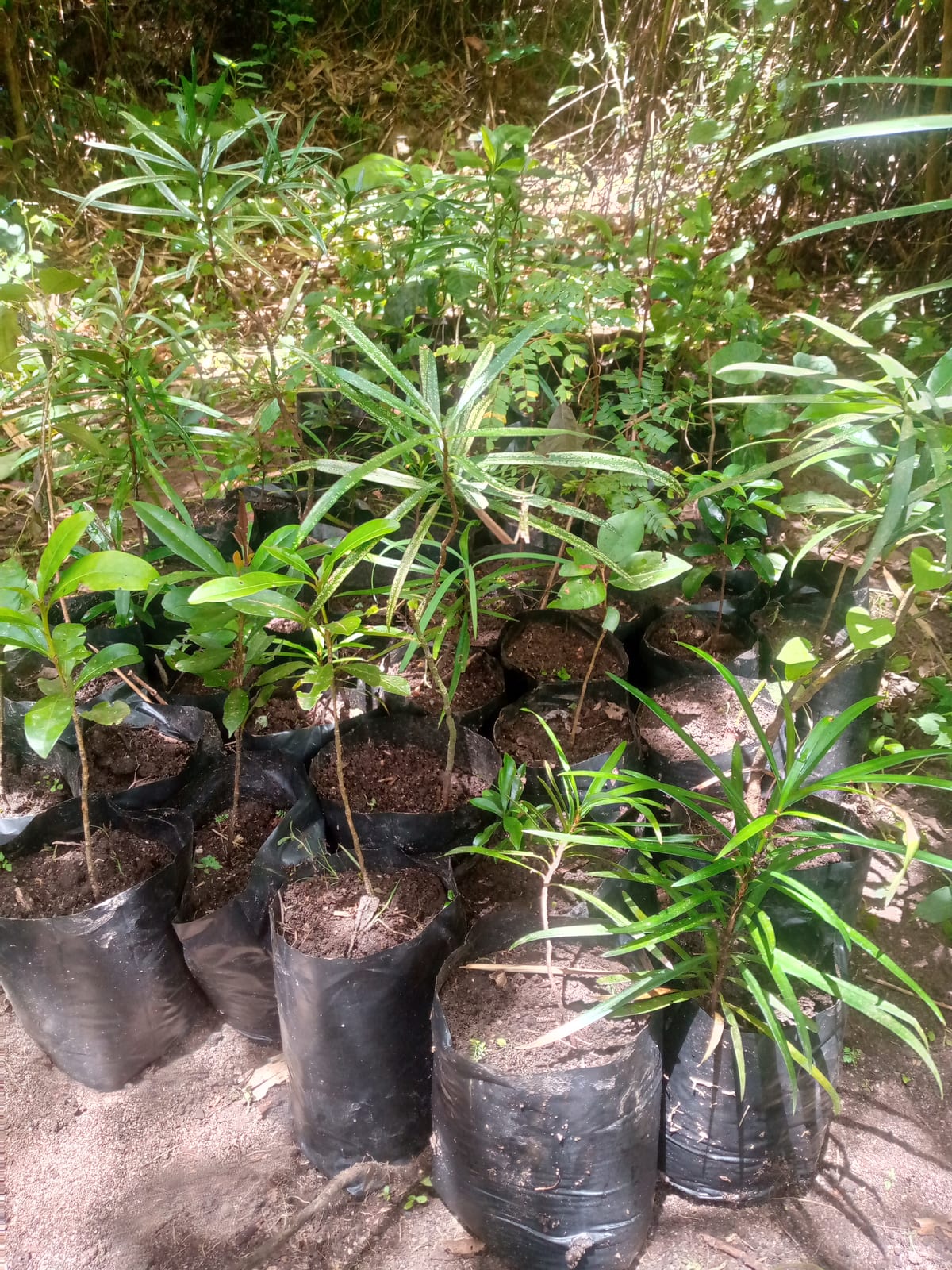
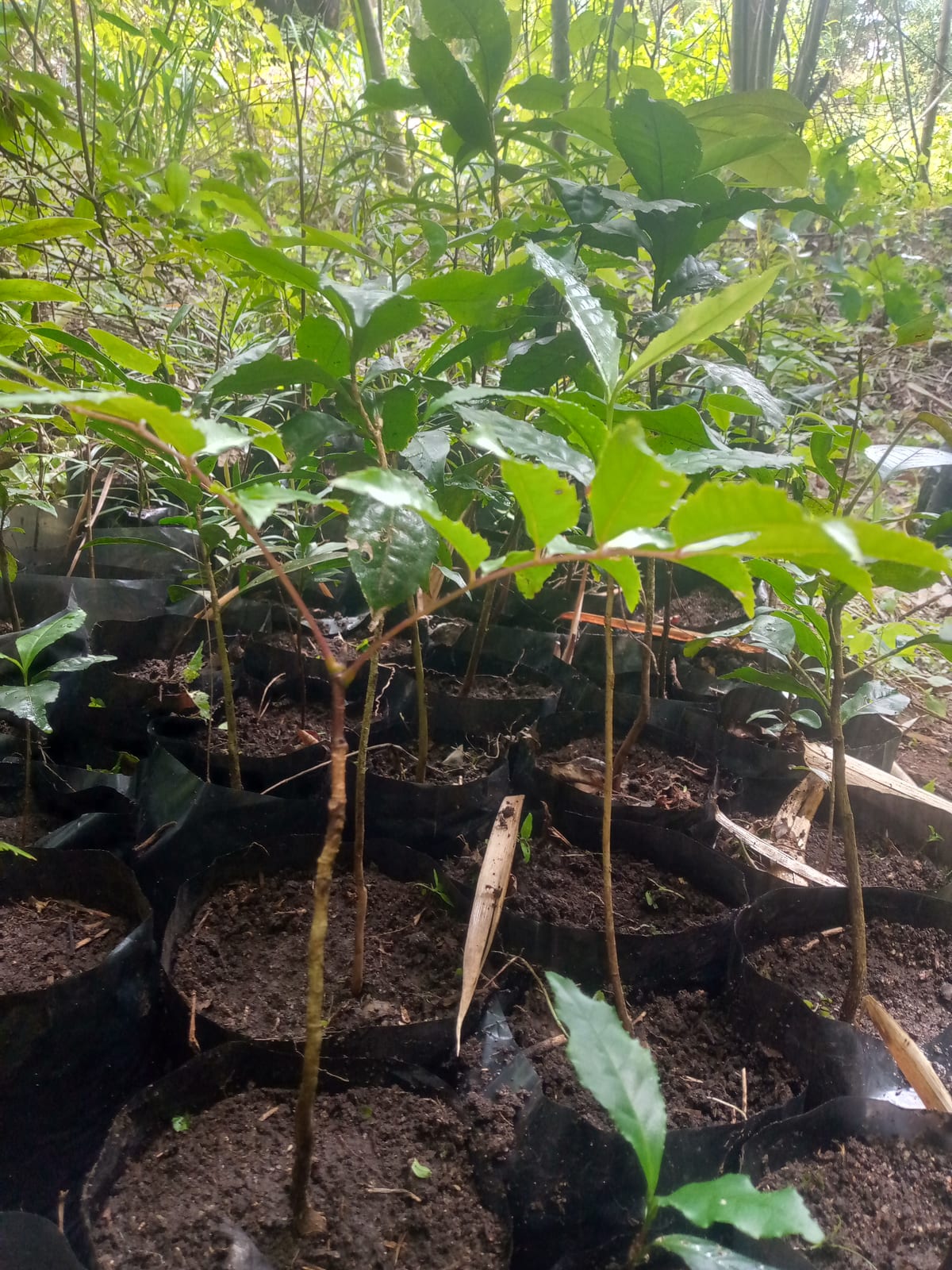
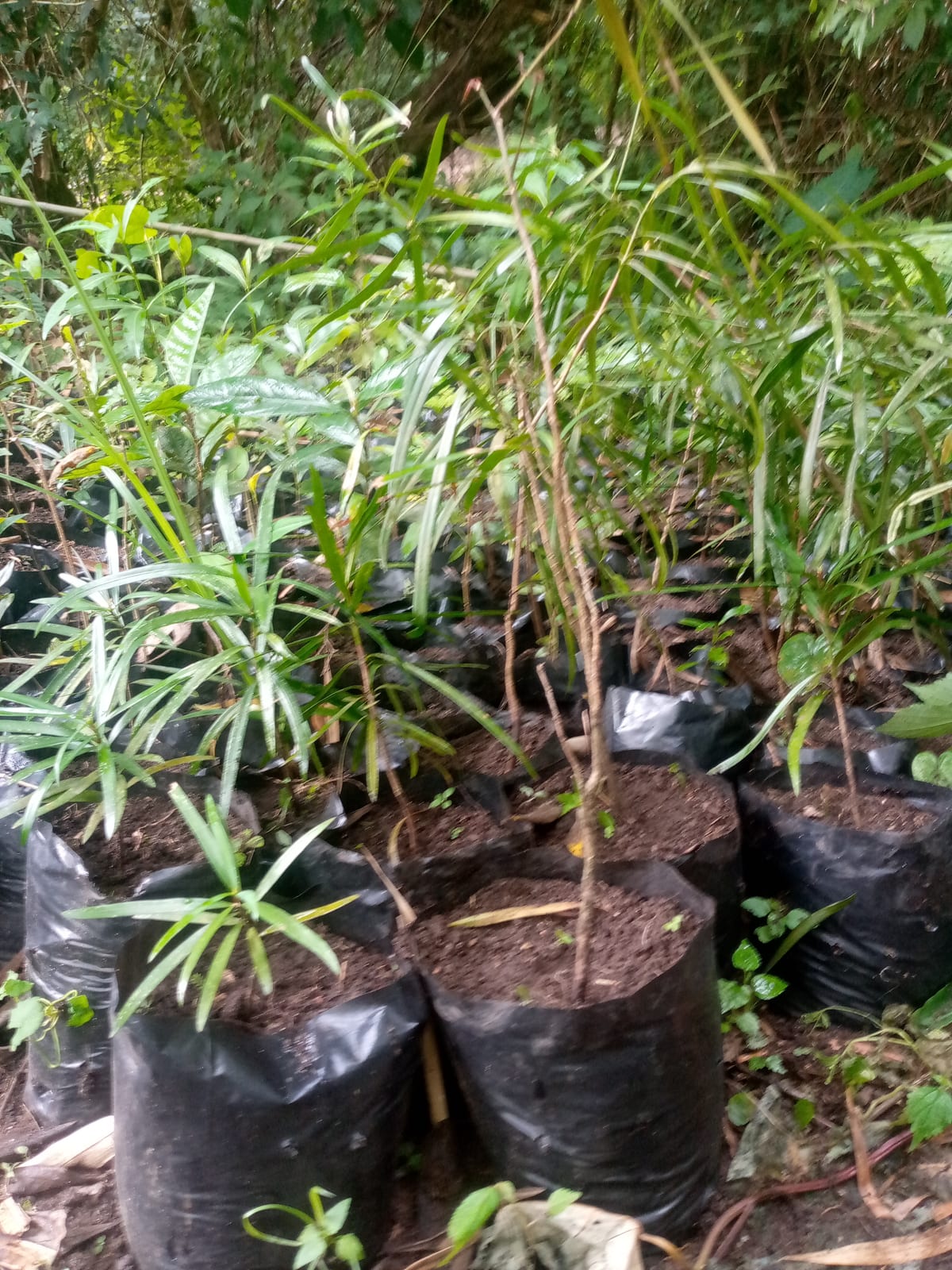
The project's primary ecological strategy is the restoration of indigenous forest cover through the Burma Valley nursery - propagating locally-sourced, climate-resilient indigenous species and using them to rebuild degraded forest corridors, seed banks, and watershed vegetation. Peter's species knowledge ensures that restoration is guided by deep understanding of local ecology rather than generic reforestation templates.
Back to sections ↑Regional Economic Context
The regional economy is driven by agriculture, livestock, forestry, fishing, local trade, and mining - with tourism a significant presence in the Vumba highlands. The area's natural resources are substantial: montane forests, rivers and watersheds, fertile highland agricultural land, wildlife habitats, and mineral deposits.
Artisanal and industrial mining are a major concern - driving deforestation, river contamination, soil degradation, and the abandonment of agricultural land. The Burma Valley project offers a direct economic alternative: high-value indigenous nursery production, medicinal plant cultivation, agroforestry, and beekeeping - enterprises that generate income by protecting and restoring the land rather than depleting it.
The project is being developed with LCPA's existing Zimbabwe country platform. The proposed natural pharmacy, laboratory and community clinic are intended to develop together through that coordination.
Back to sections ↑Core Project Systems
The Burma Valley / Vumba Tree Nursery Project develops seven interconnected systems, anchored in Peter's indigenous plant expertise and integrated with LCPA's Zimbabwe country platform. With the Chief's offer of a central community site, these systems now have a community-facing home, established in phases as land is allocated.
Indigenous Tree Nursery, Seed Bank & Community Learning Centre
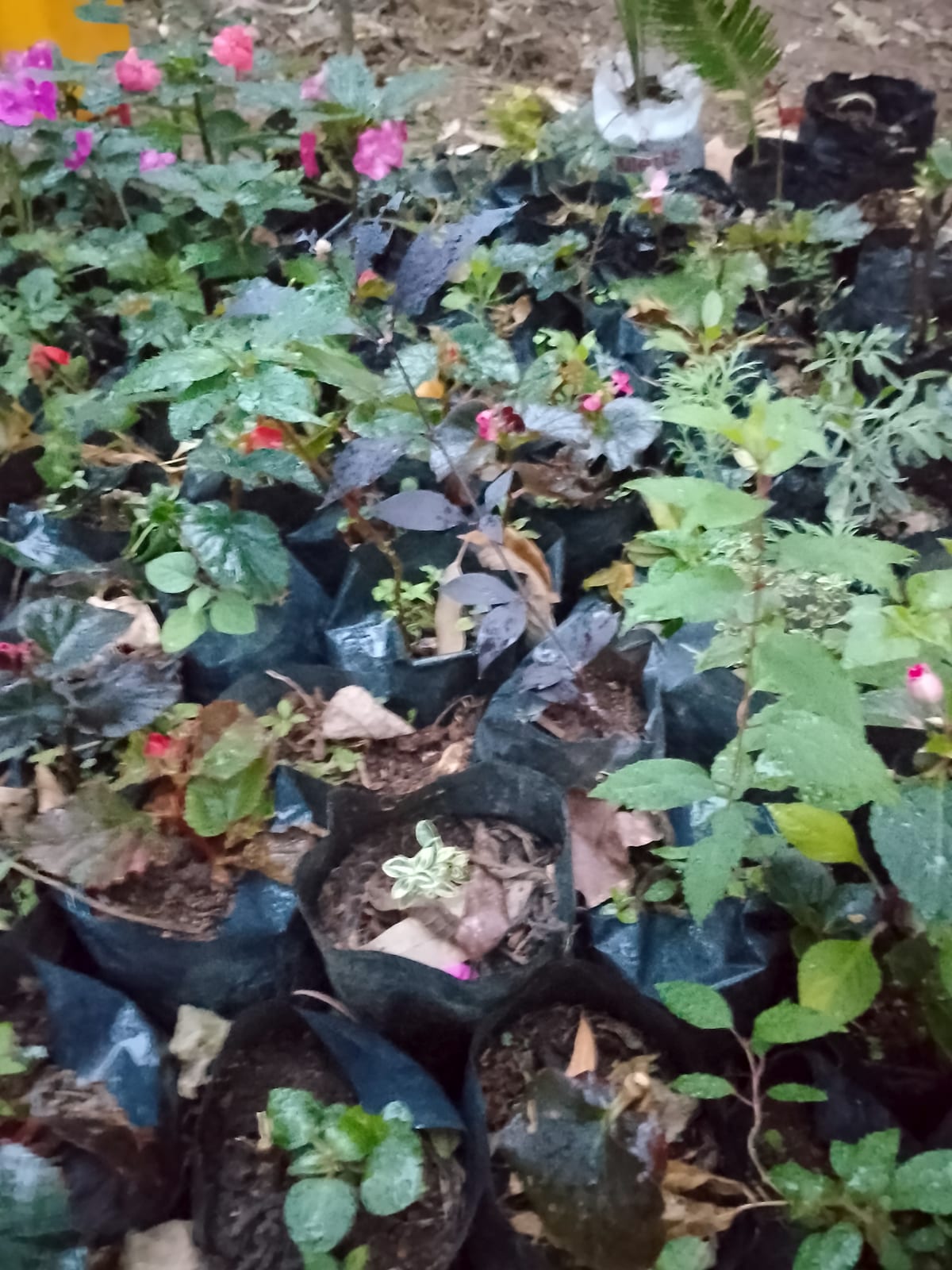
The heart of the project is the indigenous tree nursery - already operational at Burma Valley under Peter's expert guidance, and now extending to a new centrally located community nursery and learning centre offered by the Chief. The central site brings the nursery directly to the community, removing prohibitive travel costs for schoolchildren and villagers. The nursery serves as:
- A regional seed bank for rare, climate-resilient indigenous Zimbabwean species
- A propagation centre for medicinal plants used in the natural pharmacy and laboratory
- A seedling supply hub for national reforestation programs - demand already exists through Peter's membership in the Tree Society Zimbabwe and Africa
- A community learning centre and training facility for school children, parents, and community members in indigenous species identification and cultivation, with a lessons timetable managed by the project leads
- An after-school gathering point providing constructive activity for youth
Peter's continental network through the Tree Society of Africa positions the nursery as a potential supplier of indigenous Zimbabwean species across Sub-Saharan Africa - a significant economic and ecological asset.
Natural Pharmacy, Natural Medicine Laboratory & Community Clinic
Drawing directly on Peter's deep working knowledge of Zimbabwe's indigenous medicinal plants, the project develops a fully integrated three-part health system in coordination with LCPA's country-level project. As land at the central community site is allocated, these components are sited there for direct community access:
- Natural Pharmacy: Indigenous plant-based medicines cultivated and processed on-site, informed by Peter's botanical and traditional knowledge. Sanitary pads produced on-site distributed at low or no cost. Primary point of healthcare access for the community.
- Natural Medicine Laboratory: Development and processing of plant-based treatments using locally-sourced medicinal species. Quality control, basic diagnostics, and botanical research - building on Peter's species knowledge to develop documented, replicable formulations.
- Community Clinic: Primary care, women's and reproductive health, and preventive health services. Staffed by locally trained vocational graduates. Particular attention to elderly community members who currently struggle to access medication and transport to distant clinics and hospitals.
The natural pharmacy is the most distinctive component of this project nationally - no other CFC project brings the depth of indigenous botanical knowledge that Peter contributes here. This makes Burma Valley a potential centre of excellence for natural medicine across Zimbabwe and beyond.
Women-Led Enterprise - Banana Fiber Sanitary Pad Manufacturing
The plan proposes a community-owned banana fiber sanitary pad manufacturing facility providing paid work for vulnerable women, alongside complementary livelihood activities such as sewing and embroidery. The facility would be located at the central community site as land and resources allow.
Pads are distributed through the natural pharmacy at low or no cost to community members - eliminating the economic barrier that keeps girls out of school during menstruation. The facility generates revenue that is reinvested into community health, education, and enterprise development, making the health system financially self-sustaining over time.
Women in the community are already active in local trade and working hard to keep children in school. The pad manufacturing facility builds directly on that existing economic agency and gives it institutional support and sustainable income.
Agroforestry & Food Security Systems
CFC's Earth Awareness and Nursery Management curricula - which Peter has completed - provide the framework for integrating agroforestry into the community's existing agricultural landscape. The project develops:
- Food forest systems using indigenous fruit and timber species from the nursery
- Beekeeping integrated into the agroforestry system - a natural fit with the indigenous flowering species Peter cultivates
- Soil restoration through indigenous tree cover, organic matter accumulation, and elimination of chemical inputs
- Fruit tree cultivation for community nutrition and sale
- Support for existing community farmers: 15 farmers have already requested assistance to increase vegetable production, currently constrained by lack of farming inputs - a defined, ready first cohort for agricultural-input support and organic-farming training as funding allows. Livestock components (poultry and piggery) provide manure that feeds back into community vegetable gardens, closing an agroecological loop.
Water Systems & Site Assessment
Water source assessment is a priority for the project, given the watershed significance of the Vumba highlands and the water scarcity facing the community. The project will:
- Conduct full site assessment for water sources and groundwater potential - at both the Burma Valley site and the new central community site
- Develop water capture systems - swales, check-dams, and contour planting - to recharge local groundwater
- Integrate solar-powered water infrastructure as energy solutions are developed
- Connect water management with agroforestry planting to maximise watershed restoration
School Greening & Community Education
Schools are a direct partner in this project - with school children and parents already attending learning sessions on-site. The central community location makes participation far easier, as children can now walk to the nursery rather than travel to Burma Valley. The school greening program:
- Plants indigenous species on school grounds, giving children a living classroom in ecology and food forestry
- Delivers indigenous plant identification and agroforestry training to students and parents
- Connects the nursery to the school curriculum - creating the next generation of local botanical knowledge holders
- Trains youth in nursery management, beekeeping, and agroforestry as vocational pathways, and provides constructive after-school engagement
Vocational Training Hub
As the project develops in coordination with LCPA's country platform, a vocational training hub will integrate training across all project systems:
- Indigenous plant cultivation, identification, and medicinal processing
- Natural pharmacy and laboratory operations
- Banana fiber sanitary pad manufacturing
- Agroforestry and food forest management
- Beekeeping and honey processing
- Water systems installation and maintenance
- Cooperative governance and enterprise management
Three Pillars of Sustainability
Environmental
The project promotes biodiversity through habitat creation, indigenous seed banks, and the restoration of degraded forest corridors in the Vumba highlands. Peter's deep knowledge of indigenous Zimbabwean species ensures restoration is ecologically informed and locally grounded. The nursery improves soil biology, supports groundwater recharge through watershed replanting, and creates a self-regulating micro-climate through indigenous canopy restoration. The project directly counters the environmental damage of mining and deforestation by offering community members superior economic alternatives that restore rather than deplete the land.
Social
Community wellbeing is anchored in health access, educational opportunity, and the economic empowerment of women. The central community site, endorsed by the Chief, deepens local ownership and access. The integrated health system - natural pharmacy, laboratory, and clinic - provides accessible care informed by indigenous knowledge that the community already trusts. School greening and on-site training give children a living education in the ecology of their own landscape.
Women's pad manufacturing provides dignified employment and removes the barrier that keeps girls out of school during menstruation. The project builds local capacity rather than importing external expertise - ensuring that when CFC and LCPA's direct involvement ends, the community retains every skill and system.
Economic
The project creates multiple interlocking revenue streams: indigenous nursery sales through the Tree Society of Africa network, fruit and timber sales from agroforestry, honey and value-added products from beekeeping, banana fiber sanitary pad manufacturing, and eventual medicinal product sales from the natural pharmacy and laboratory. Women are central to the economic model - both as pad manufacturing employees and as owners of small agricultural enterprises. The financial sustainability of the health system is underwritten by pad manufacturing revenue, ensuring that healthcare access does not depend on ongoing external funding.
Back to sections ↑Role Within the Country Platform
The Burma Valley / Vumba project plays a distinctive and nationally significant role within Zimbabwe's development platform through LCPA. Peter's membership in the Tree Society of Africa and his continental network mean that demand for indigenous Zimbabwean seedlings already exists - the nursery is positioned from day one as a national and regional supplier, not just a community resource.
The natural pharmacy component - grounded in Peter's indigenous botanical knowledge - has the potential to become a centre of excellence for plant-based medicine in Zimbabwe. As LCPA's country platform develops, the Burma Valley project contributes an irreplaceable knowledge asset: documented indigenous species, cultivation methods, and medicinal applications that no external consultant or imported curriculum could replicate.
The integration with LCPA's existing Zimbabwe country project amplifies the impact of both initiatives - combining Peter's ecological expertise with LCPA's governance frameworks, financing architecture, and national development relationships.
Back to sections ↑Potential Synergies With Other Projects
The Burma Valley nursery is an immediate resource for other CFC and LCPA projects across Zimbabwe and the region - providing indigenous seedlings, seed bank material, and botanical training that no other project currently offers. Collaboration opportunities include:
- Seedling supply for national reforestation programs through the Tree Society of Africa network
- Medicinal plant supply and knowledge-sharing with natural pharmacies at other CFC eco hubs across Sub-Saharan Africa
- Agricultural training in agroforestry and indigenous species cultivation for neighbouring communities
- Water management data sharing with agricultural projects transitioning to regenerative systems
- School greening model replicable across Manicaland and beyond
Collaboration Needs
The project's primary need is capital - to fund the integration fee, develop the health system infrastructure, equip the pad manufacturing facility, and build out the vocational training hub. Specific needs include:
- LCPA integration fee to activate governance and financing frameworks
- Immediate start-up support, including transport costs to establish the foundation of the new central community site
- Training and technical support for natural pharmacy and laboratory development
- Equipment for banana fiber sanitary pad manufacturing
- Agricultural inputs for the 15 farmers seeking to increase vegetable production
- Water infrastructure assessment and installation
- Energy infrastructure - solar power for the nursery, clinic, and water systems
- Transportation access to connect nursery supply to regional markets
- Support for vocational certification linkages for the training hub
Community Leadership & Governance
Project Lead: Peter Magosvongwe - Burma Valley / Vumba Tree Nursery Project Local Partners: Zimbabwe Forestry Commission · Tree Society of Africa · LCPA Federation country project Community Groups: Schools · Rural District Council · Village 33 Community Traditional Authority: Chief (Village 33) Training Completed: Earth Awareness · Nursery Management LCPA Integration: Being developed in coordination with existing LCPA Zimbabwe country project
Back to sections ↑