
Project description
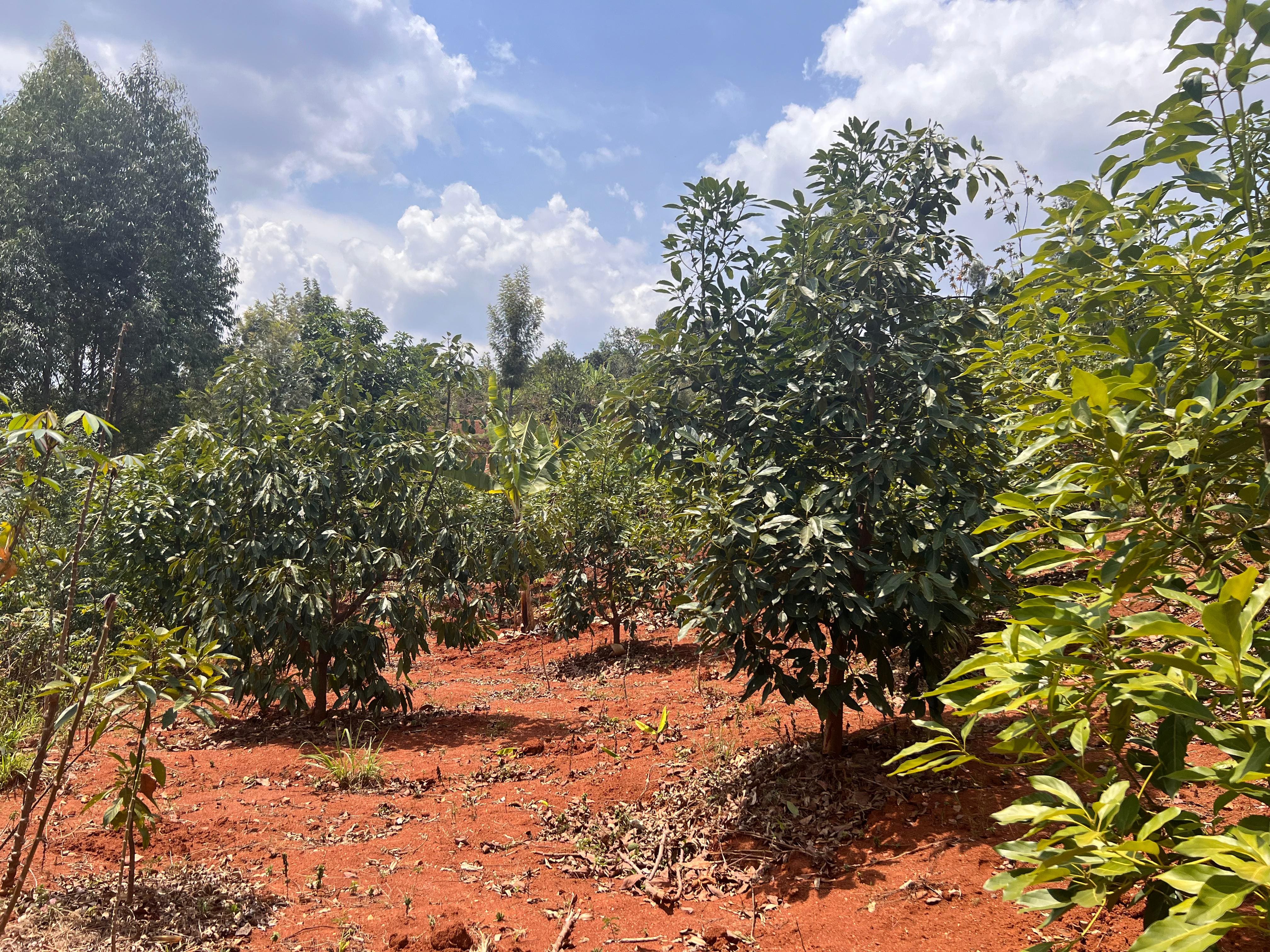
An existing food forest becomes the foundation for a shared regenerative village hub. Smallholder farms, a community seed bank, water systems, health services and training connect with honey, food-forest products and other locally led enterprises.
Explore the community context, existing work and development plans described by the project.
Project Overview
The Leonard Regeneration Center is a community-led regenerative agriculture and eco-livelihoods initiative located in Muhanga District, Rwanda. The project is designed to restore soil health, strengthen food sovereignty, and rebuild local economies through integrated systems that combine agroforestry, water infrastructure, community health, enterprise, and education.
Building on an existing regenerative food forest developed by the local project lead, the initiative expands into a village-scale model engaging approximately 20 neighboring smallholder farmers. The project establishes a regenerative eco-village hub that integrates environmental restoration with livelihoods, training, and community infrastructure.
By connecting land stewardship, local enterprise, and social systems, the project creates a scalable model for long-term resilience and intergenerational sustainability.
Back to sections ↑Location and Leadership
- Country: Rwanda
- District: Muhanga
- Local Project Lead: Leonard Iyamuremye
Co-Lead Organizations:
- We4Climate (Rwanda)
- Collaborative for Change, Inc.
- Local Communities Prosperity Alliance (LCPA)
Community Context
Rural communities in Muhanga District face challenges related to declining soil fertility, food insecurity, limited access to reliable water systems, and constrained economic opportunities for smallholder farmers.
Agricultural systems are often dependent on external inputs, and access to improved seed systems, irrigation, and training remains limited. Youth and women face barriers to economic participation, and access to integrated health services is still developing.
This project addresses these challenges by building a community-centered model that integrates food production, water access, health systems, and enterprise development.
Back to sections ↑Ecological and Economic Context
The region consists of smallholder agricultural landscapes with strong potential for regenerative agroforestry systems.
Key environmental challenges include:
- declining soil fertility
- limited water access and irrigation systems
- pressure on local biodiversity
The local economy is primarily based on:
- smallholder farming
- subsistence agriculture
- local market trading
There is strong potential for:
- regenerative food systems
- biodiversity-based livelihoods
- community-scale production and value addition
Project Components
Regenerative Food Forest Network
- Transition of approximately 20 farms to regenerative food forest systems
- Composting, mulching, and soil regeneration
- Crop diversification and perennial planting
- Farmer-led training and peer learning
Community Seed Bank and Nursery
- Establishment of a climate-controlled seed bank
- Preservation of indigenous, climate-resilient, and medicinal plant species
- Development of a large-scale nursery for seedlings and tree propagation
- Training for youth and community members in seed stewardship
Water and Irrigation Systems
- Development of a tiered gravity-fed irrigation system
- Construction of a small reservoir and water distribution network
- Integration of solar-powered pumping where required
- Expansion of safe household drinking water systems
Eco-Farm and Livestock Systems
- Establishment of a shared livestock system
- Manure production for compost and soil regeneration
- Training in regenerative animal husbandry
- Closed-loop nutrient cycling
Beekeeping and Pollination Network
- Installation of beekeeping systems across participating farms
- Honey production and income generation
- Strengthening of pollination and biodiversity
Community Enterprise and Market Systems
- Development of a community market and shared infrastructure
- Support for value-added production, including:
- honey
- food forest products
- banana-based products and beverages
- Integration of agrotourism opportunities
Community Health Systems
- Establishment of a clinic providing primary and preventative care
- Development of a natural pharmacy using medicinal plants
- Creation of diagnostic laboratory services
- Integration of community health worker training
Women-Led Enterprise
- Establishment of banana-fiber sanitary pad production
- Support for menstrual health and dignity
- Creation of income-generating opportunities for women
- Integration with community health services
Education, Arts, and Sports Center
- Development of primary and secondary education facilities
- Integration of ecological literacy into curriculum
- Arts, music, and cultural programming
- Development of sports facilities
Housing and Eco-Village Development
- Construction of housing for teachers, health workers, and trainees
- Use of sustainable building materials
- Integration of household food systems and water access
Beneficiaries and Impact
Direct Beneficiaries:
- Smallholder farmers participating in food forest systems
- Women engaged in enterprise and health systems
- Youth participating in training and education programs
Indirect Beneficiaries:
- Surrounding households receiving water and agricultural support
- Local schools and institutions
- Regional communities benefiting from restoration and production systems
Sustainability Framework
Social Impact
- Improved food security and nutrition
- Expanded access to healthcare and training
- Increased participation of women and youth
- Strengthened community cohesion and resilience
Environmental Impact
- Regenerative agriculture and soil restoration
- Biodiversity conservation and seed preservation
- Water system restoration and sustainable use
- Expansion of agroforestry systems
Economic Impact
- Development of local enterprises and value chains
- Increased agricultural productivity
- Income generation through diversified production systems
- Job creation through training and infrastructure development
Strategic Role and Scalability
This project serves as a model for integrated eco-village development, demonstrating how smallholder communities can transition to regenerative systems while strengthening economic resilience.
It has the potential to:
- support regional food system transformation
- provide seed and seedling resources
- serve as a training hub for regenerative practices
- inform broader country-level development models
Partnerships and Collaboration Needs
Key areas of support include:
- agroforestry and seed bank technical expertise
- water and irrigation system development
- health system and laboratory support
- enterprise and cooperative development
- renewable energy and infrastructure support
Community Governance
The project is locally led by We4Climate in collaboration with:
- smallholder farmers
- women’s groups
- youth participants
- community institutions
Training will include:
- regenerative agriculture
- enterprise development
- cooperative management
- health and technical skills
Integration Within Broader Framework
This initiative aligns with the Collaborative for Change – LCPA framework by integrating:
- environmental restoration
- community health systems
- women-led enterprise
- education and vocational training
It contributes to broader efforts to develop regenerative, community-led systems across regions.
Back to sections ↑