
Project description
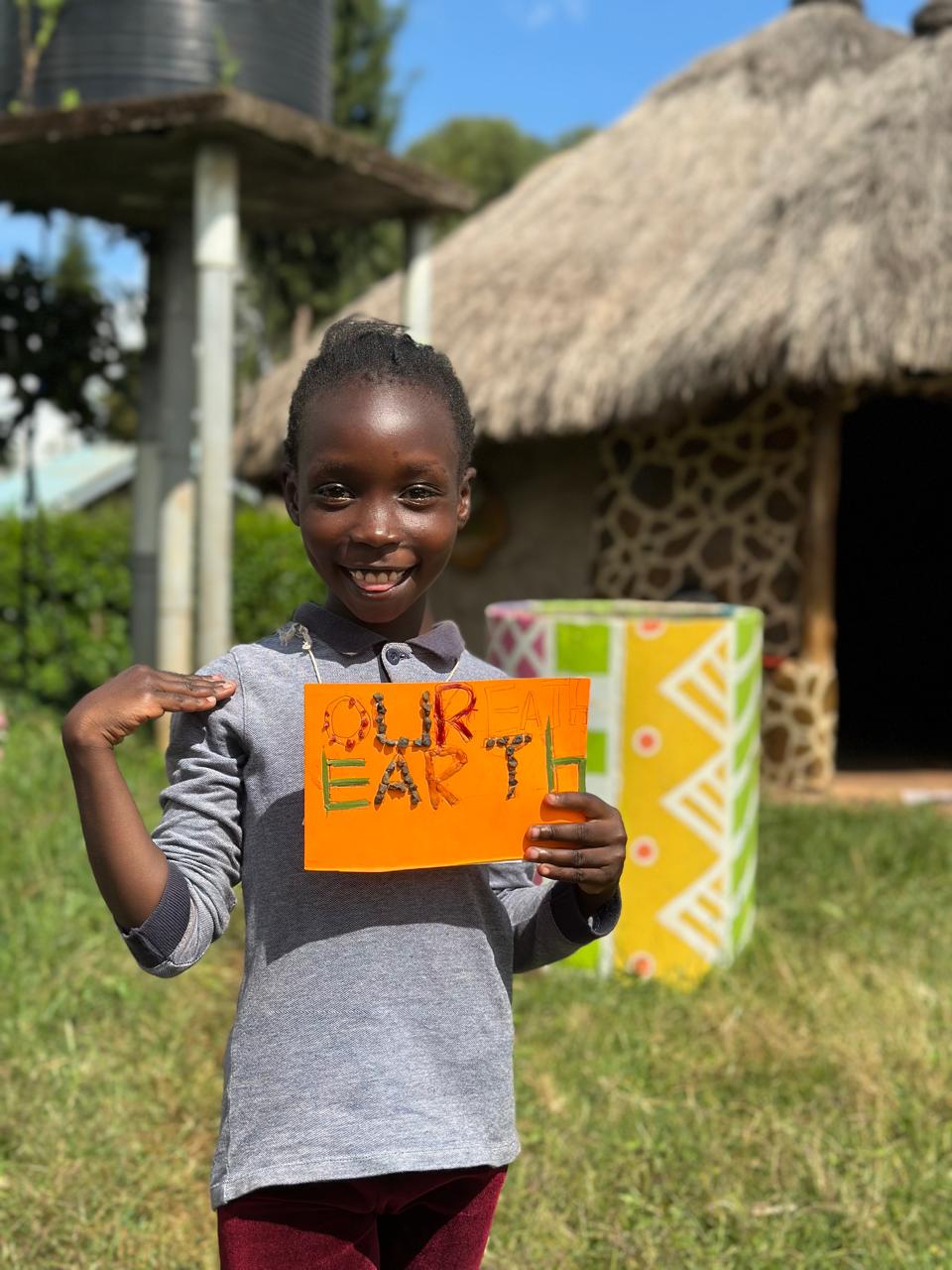
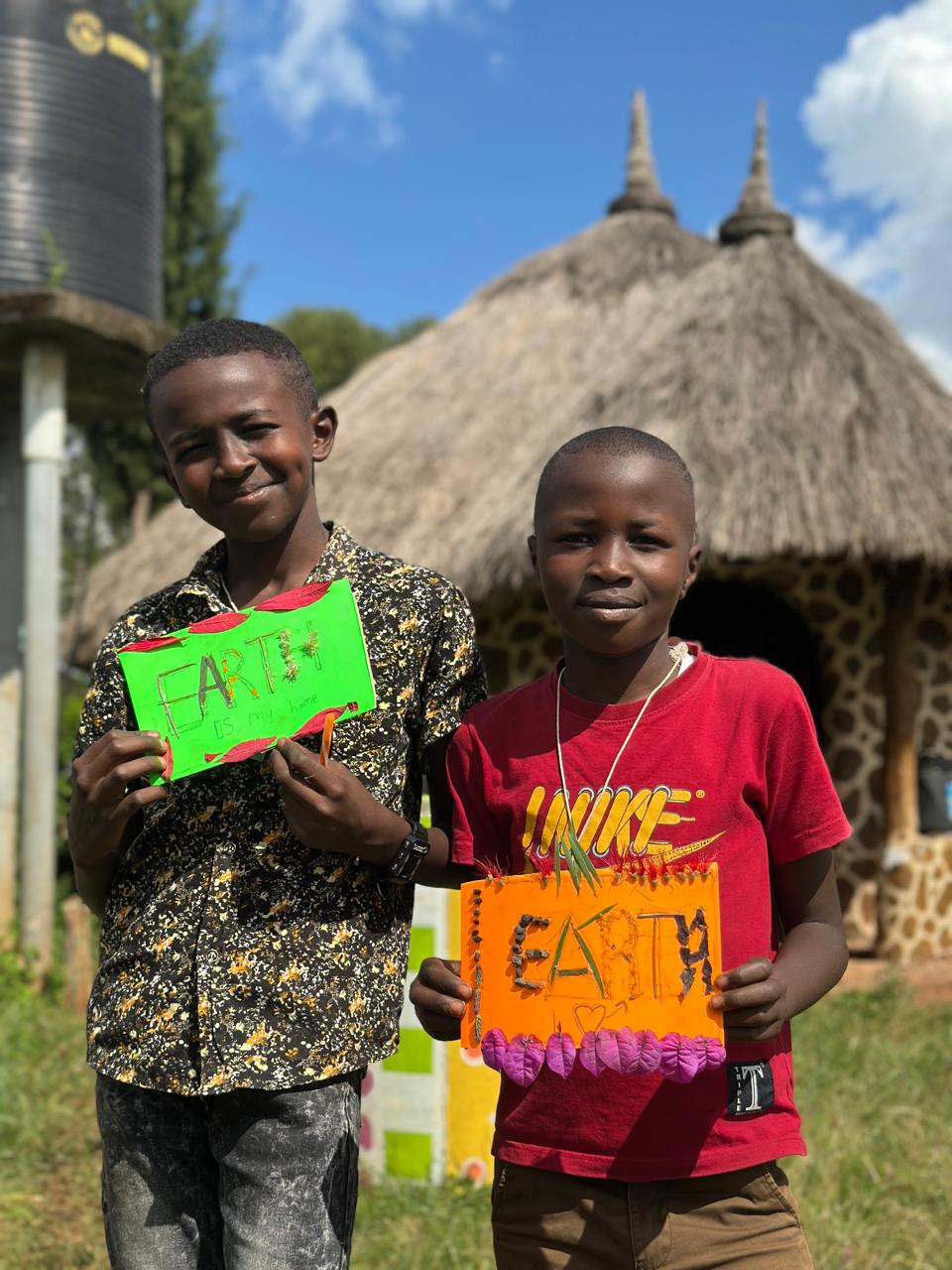
Environmental education and creative arts help children build a lasting connection with the natural world. Newly secured community land anchors plans for nurseries, a seed bank, a learning farm, creative studios and an exhibition and gift shop.
Explore the community context, existing work and development plans described by the project.
More project details
- Traditional Authority
- Chief
- Primary Ecosystem
- Forest / Agricultural landscape / Mountain ecosystem
- Community estimate
- 7,000–9,000 inhabitants
- Reported direct beneficiaries
- Children aged 5–12
- Reported indirect beneficiaries
- Parents and small-scale farmers
- Planned Reach (5–10yr)
- 4,000–5,000 people
- Site
- 1.25 acres of community-acquired land
- Training Completed
- Earth Awareness · Nursery Management
Community Context
Light On A Hill is a youth-led, community-based organization in Kiirua, Buuri (Kiirua/Naari Ward), Meru County, in Kenya's Eastern region - a community of roughly 7,000–9,000 people in the fertile highlands of the Mount Kenya region. The local economy rests on agriculture, livestock, and local trade, with small-scale farming families forming the heart of the community.
LOAH grows from a beloved local school and is dedicated to children aged 5–12, with parents and small-scale farmers as its wider circle of beneficiaries. The community faces the familiar highland pressures of deforestation, soil degradation, and biodiversity loss, alongside a quieter challenge the project takes as its central concern: a growing disconnection between children and the natural world, and the erosion of environmental knowledge, creative opportunity, and stewardship.
LOAH's priority is hands-on environmental education delivered through sustainable agriculture and linked to creative expression - rebuilding both ecological knowledge and the culture of care that sustains it.
A secured foundation (2026): LOAH has recently acquired 1.25 acres of land in the community where it has worked for several years, giving the project secure tenure and the confidence to build durable infrastructure. This decision reflects a key lesson the team has drawn from experience: that land security and long-term stewardship are preconditions for sustainable work. Earlier plans for restoration in a nearby riparian area surfaced real challenges around land tenure, prompting LOAH to focus its core development intentionally on land it controls. A recent award now enables the project to begin implementing its planned work on this secured site.
Back to sections ↑Ecological Landscape
Kiirua sits within a forest, agricultural, and mountain ecosystem in the Meru highlands. The area's natural assets - forests, rivers and watersheds, fertile agricultural land, and wildlife habitats - support a productive farming community but face mounting environmental pressure.
Current environmental pressures include:
- Deforestation and loss of tree cover
- Soil degradation reducing land productivity
- Biodiversity loss, including indigenous plant and pollinator species
There is no mining or extractive activity in the area. LOAH's environmental priority is to reconnect children and community to the land through hands-on environmental education, sustainable agriculture, and nursery and seed-banking work - paired with creative expression that makes restoration tangible and joyful. The team's understanding of riparian restoration remains part of its ecological knowledge base and may inform future work as secure stewardship arrangements allow.
Back to sections ↑Regional Economic Context
The regional economy is driven by agriculture, livestock, forestry, and local trade. The area's principal natural resources are its forests, rivers and watersheds, fertile agricultural land, and wildlife habitats.
There is no mining or mineral extraction in the area. LOAH's economic contribution is restorative and educational - linking sustainable agriculture, nursery production, and creative-arts skills to local food security, household income, and future entrepreneurship for the children and families it serves.
Back to sections ↑Core Project Systems
Light On A Hill develops its work on the secured 1.25-acre site, anchored in child-centered learning and designed to grow into a broader community hub.
Environmental Education & Creative Expression
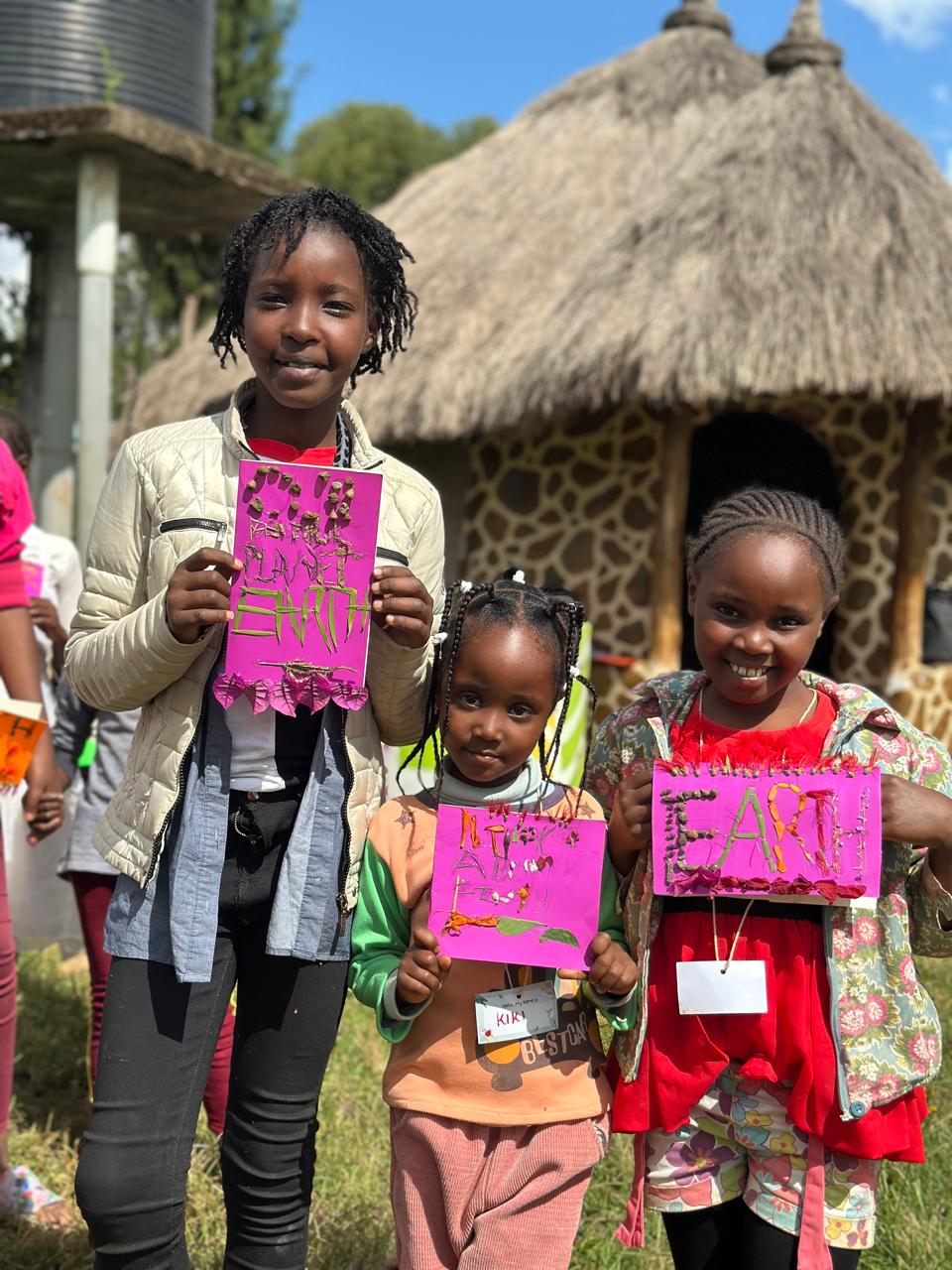
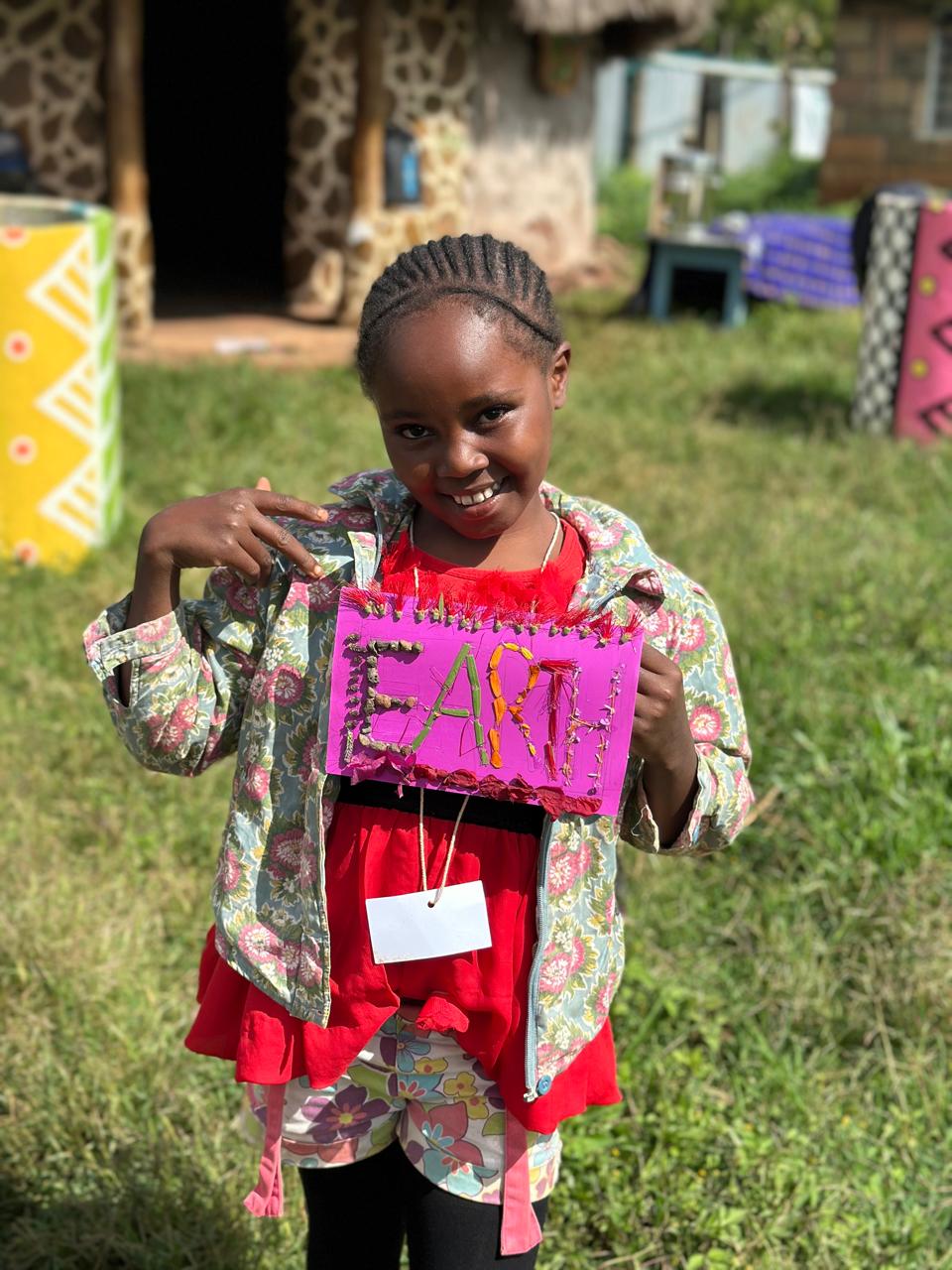
Hands-on environmental education and creative expression for children aged 5–12, delivered through sustainable agriculture, nursery development, and seed banking, alongside creative centers for pottery, sewing, crocheting, painting, acting, and other arts. The model deliberately links ecological restoration to creativity - children learn to care for the land and to express that connection, building knowledge, confidence, leadership, and practical skills together.
Camps, Sports & Community Programming
Eco camps, field visits, and holiday camps form a core part of LOAH's experiential learning. Sports and recreation are integrated into the camps and broader programming as a way of promoting holistic child development and creating a vibrant community space - encouraging play, active and healthy living, and the chance for children to explore their talents alongside their environmental and creative learning. Football and tennis are a particular focus, giving children structured sport both for its developmental value and as a potential pathway, and opening natural opportunities for collaboration with partners specializing in each.
Back to sections ↑Vision for Growth
As LOAH develops the secured site, its vision includes creative studios for arts, crafts, and green skills; a community seed bank and seed library; expanded flower, herb, and tree nurseries; a sustainable-agriculture learning farm; and an exhibition and gift shop for community creations - together forming a thriving community hub for environmental education and creativity.
Back to sections ↑Three Pillars of Sustainability
Social
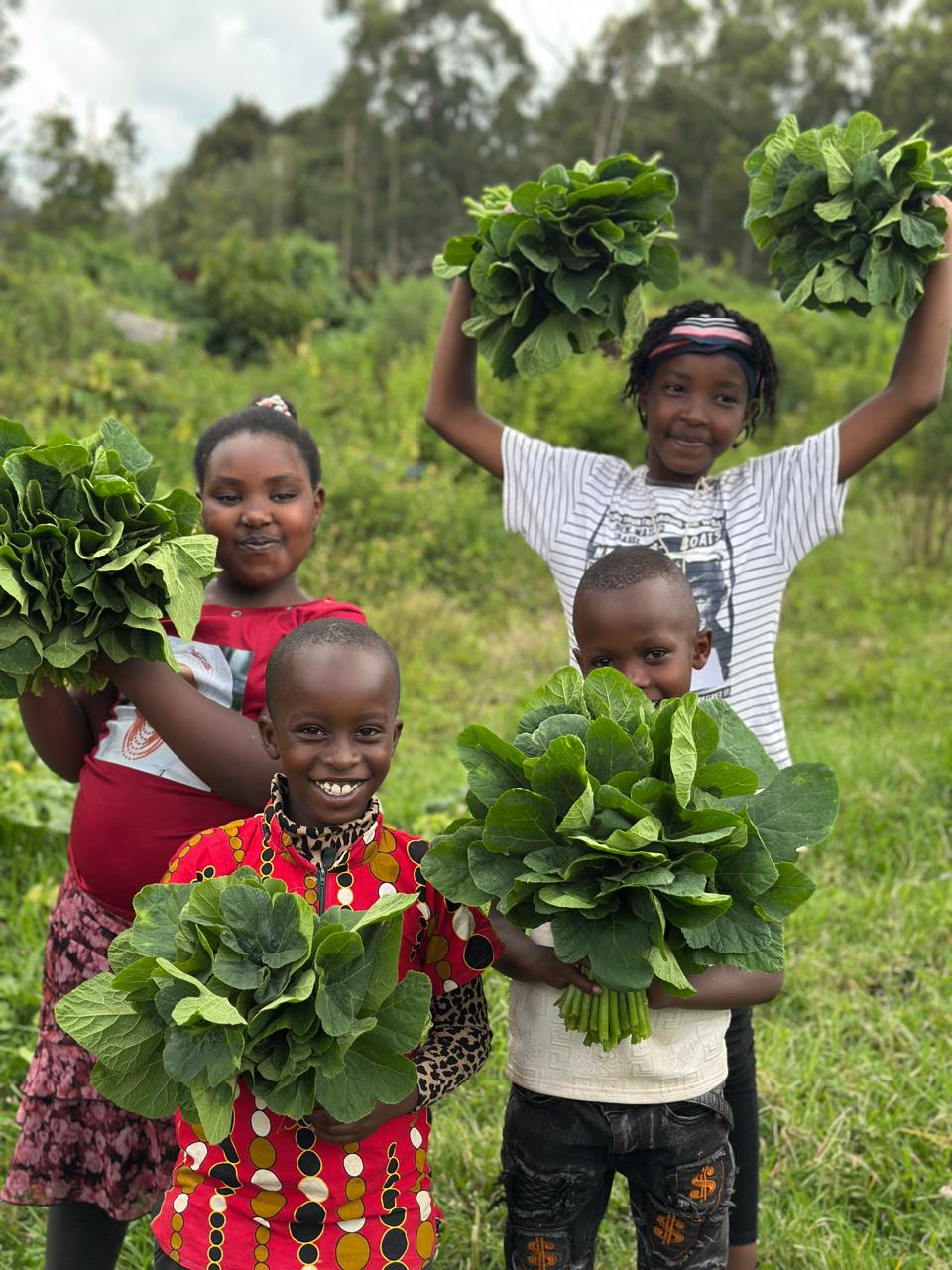
LOAH enhances community well-being by creating opportunities for children, families, and community members to learn, grow, and thrive together. Through eco camps, field visits, environmental-education sessions, and creative arts, children develop environmental awareness, critical thinking, creativity, leadership, and practical life skills, alongside a deeper connection to nature and community. A school feeding program and vegetable gardens improve nutrition and teach healthy, sustainable food habits, while community clean-ups foster cleaner, healthier environments.
For youth, LOAH creates safe, inclusive spaces to explore talents, build self-esteem, and develop green skills and responsibility - with sports and recreation woven in to support holistic development. The project strengthens community resilience by preserving indigenous knowledge, promoting sustainable agriculture, and fostering intergenerational learning, with parents, elders, teachers, and local partners actively engaged in shared ownership of local development.
Environmental
LOAH promotes ecosystem restoration by nurturing a generation that understands, values, and actively cares for the natural world. Through environmental education, eco camps, nature walks, and hands-on conservation, children develop a lifelong connection to nature and learn to protect local ecosystems. The project supports biodiversity through flower, herb, tree, and vegetable nurseries that increase access to indigenous and beneficial species and teach children the role of plants in supporting pollinators, wildlife, and healthy ecosystems.
Sustainable-agriculture initiatives promote regenerative, climate-smart practices - kitchen gardening, soil care, seed saving, and water-efficient growing - that build soil health, food security, and agricultural heritage. Looking ahead, a community seed bank and library will preserve indigenous agricultural and tree species, anchoring biodiversity conservation, landscape restoration, and climate resilience on secure ground.
Financial
LOAH builds local economic resilience by equipping children, youth, and community members with practical skills and opportunities for sustainable livelihoods. Sustainable agriculture - vegetable gardens, seed saving, and climate-smart farming - reduces food costs, improves food security, and strengthens local food systems. Creative-arts and green-skills programs (beadwork, pottery, sewing, crochet, painting, and nature-based crafts) build skills toward future entrepreneurship and value-added production from local resources.
The project's revenue model grows naturally from this work: an exhibition and gift shop where community creations are showcased and sold, expanded nurseries offering seedlings and planting materials, and surplus agricultural produce together form self-reinforcing revenue streams that support both community members and the continued delivery of LOAH's programs. Securing the 1.25-acre site gives these enterprises a stable home in which to take root.
Role Within the Country Platform
LOAH can serve as a community-centered model for environmental education, sustainable agriculture, youth development, and ecosystem stewardship. Its planned nursery expansion and community seed bank and library will support the preservation and distribution of indigenous seeds and seedlings for restoration, conservation, and sustainable agriculture - contributing to Kenya's national goals for reforestation, biodiversity conservation, climate resilience, and food security.
The project can function as a learning hub where children, youth, educators, and community members gain practical knowledge in regenerative agriculture, seed preservation, environmental stewardship, creative arts, and green skills, inspiring replication by schools and community groups in other regions. Through eco camps, field visits, and holiday camps, LOAH equips young people to become responsible citizens and environmental leaders, while planned creative studios, exhibition space, and community programming open pathways to skills development, entrepreneurship, and youth engagement - helping address unemployment, social inclusion, and access to safe learning and recreational spaces.
Back to sections ↑Potential Synergies With Other Projects
As a community-centered learning model, LOAH can contribute to seed distribution and restoration networks through its nurseries and planned seed bank, supplying indigenous seeds and seedlings for conservation and sustainable agriculture across the region. It can act as a learning and demonstration hub for regenerative agriculture, seed preservation, creative arts, and green skills - inspiring replication by other schools and community groups - and its eco camps, field visits, and holiday camps offer exchange-learning opportunities.
Its focus on football and tennis opens natural links to sports-development partners, and the planned creative studios, exhibition space, and community programming create further openings for skills development, entrepreneurship, and youth engagement that can connect to partners across Kenya's environmental, educational, youth-development, and sporting sectors.
Collaboration Needs
LOAH's success and long-term sustainability would be strengthened by:
- Community learning and demonstration infrastructure on the secured 1.25-acre site - creative studios, agricultural learning spaces, nurseries, a seed bank and library, and recreational facilities, supported by water harvesting and storage, irrigation, renewable energy, fencing, and storage
- Technical support and training - partnerships with experts in regenerative agriculture, seed preservation, ecosystem restoration, environmental education, creative arts, entrepreneurship, youth development, and organizational sustainability
- Nursery development - access to quality indigenous tree, herb, flower, and agricultural seeds and propagation materials, enabling expansion and a community seed bank
- Sports development - partnerships with football and tennis programs to support structured sport within the camps and community programming
- Transportation - to widen access to field visits, eco camps, exchange learning, and outreach
- Partnerships - with schools, conservation organizations, agricultural institutions, artists, community groups, and development partners committed to community-led, long-term solutions
Community Leadership & Governance
Project Lead: Eva Makandi (Kandi) Local Partners: Mama Day School Community Groups: None at present Training Completed: Earth Awareness · Nursery Management
Back to sections ↑