
Project description
School-community hubs connect farmers and young people through practical agroecology. Indigenous woodland restoration, community seed banks and girls’ leadership form the foundation, alongside planned sanitary-pad micro-factories and circular-economy initiatives.
Explore the community context, existing work and development plans described by the project.
More project details
- Communities
- Karamoja, Acholi, and Lango
- Traditional Authority
- Ethur Chiefdom (Rwot Nyachi, Othem, K'Ethur)
Community Context
The project works with poverty-stricken rural communities across Northern and Northeastern Uganda - primarily Abim and Amolatar districts - where households depend heavily on agriculture and natural resources for food, livelihood, and resilience. The communities face compounding pressures: soil degradation, declining agricultural biodiversity, loss of indigenous crop varieties, deforestation, climate variability, water scarcity, and child malnutrition and food insecurity.
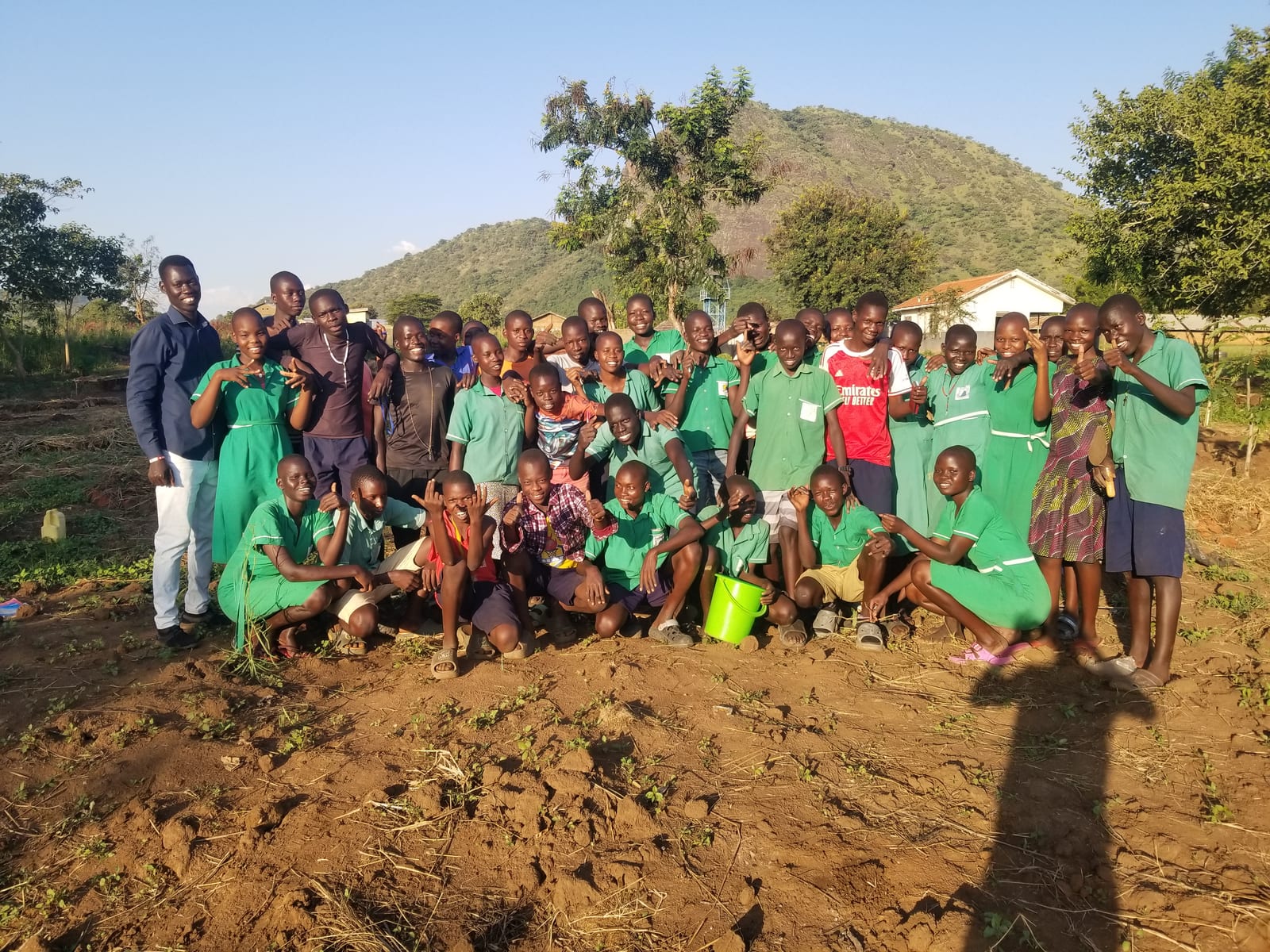
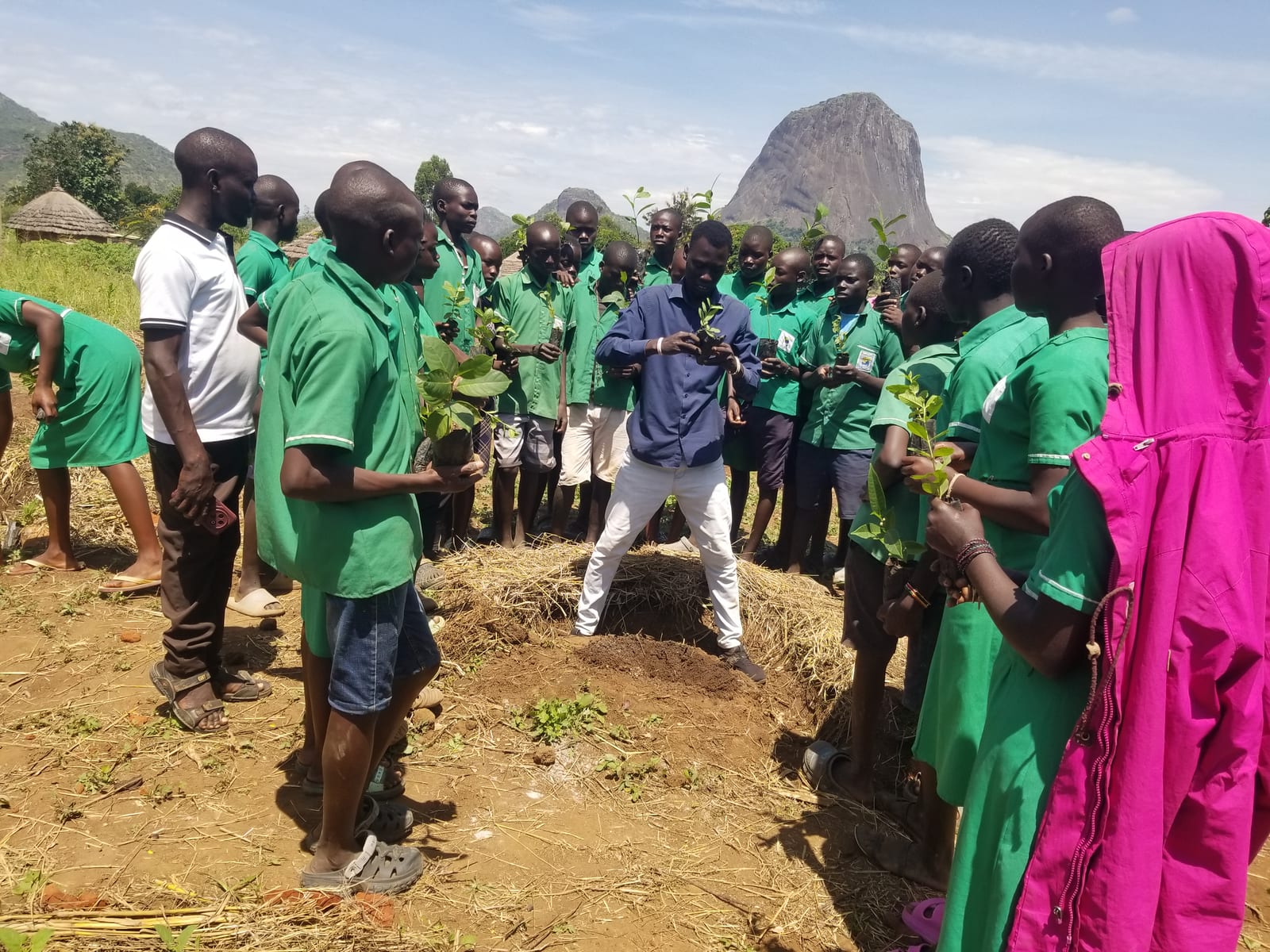
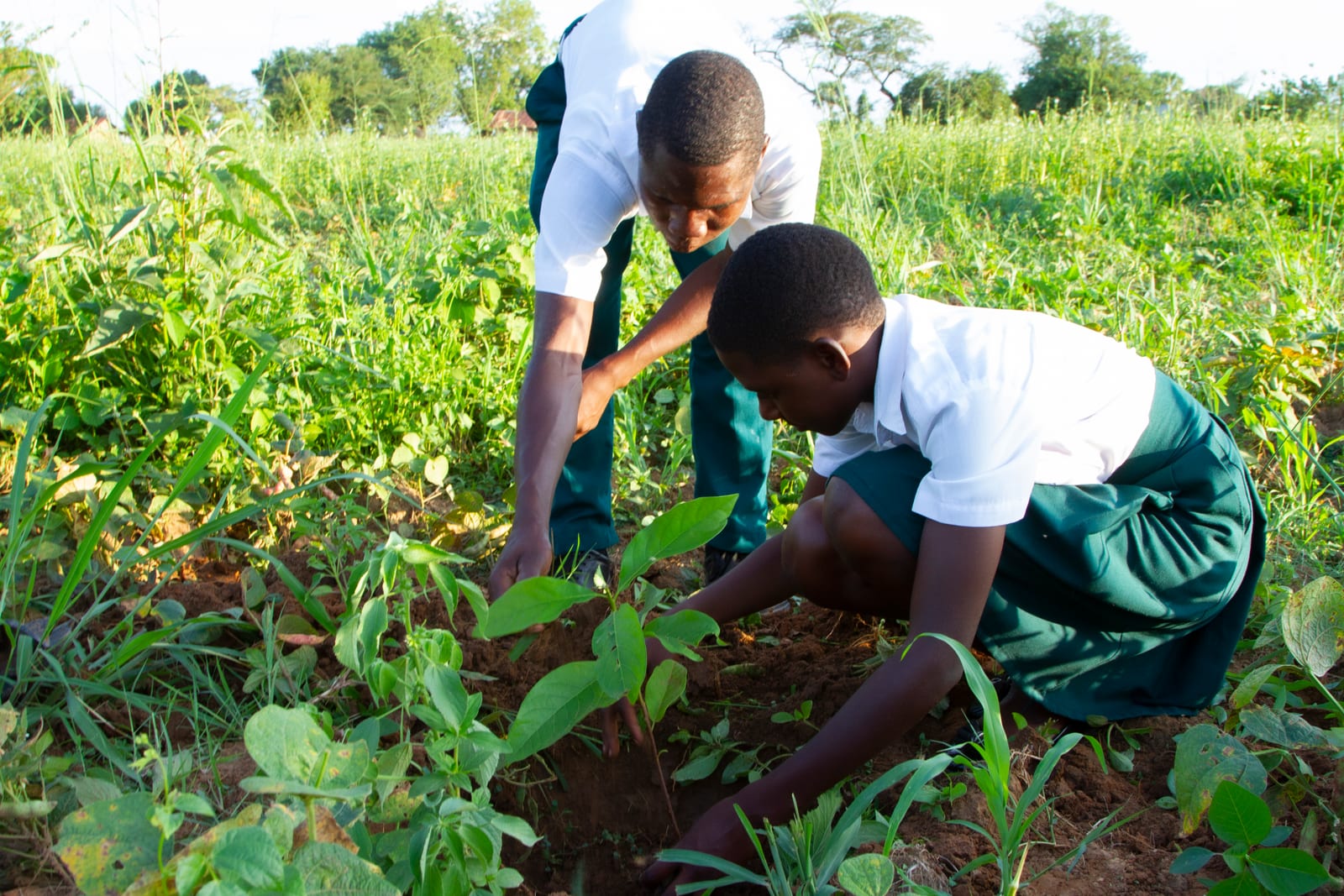
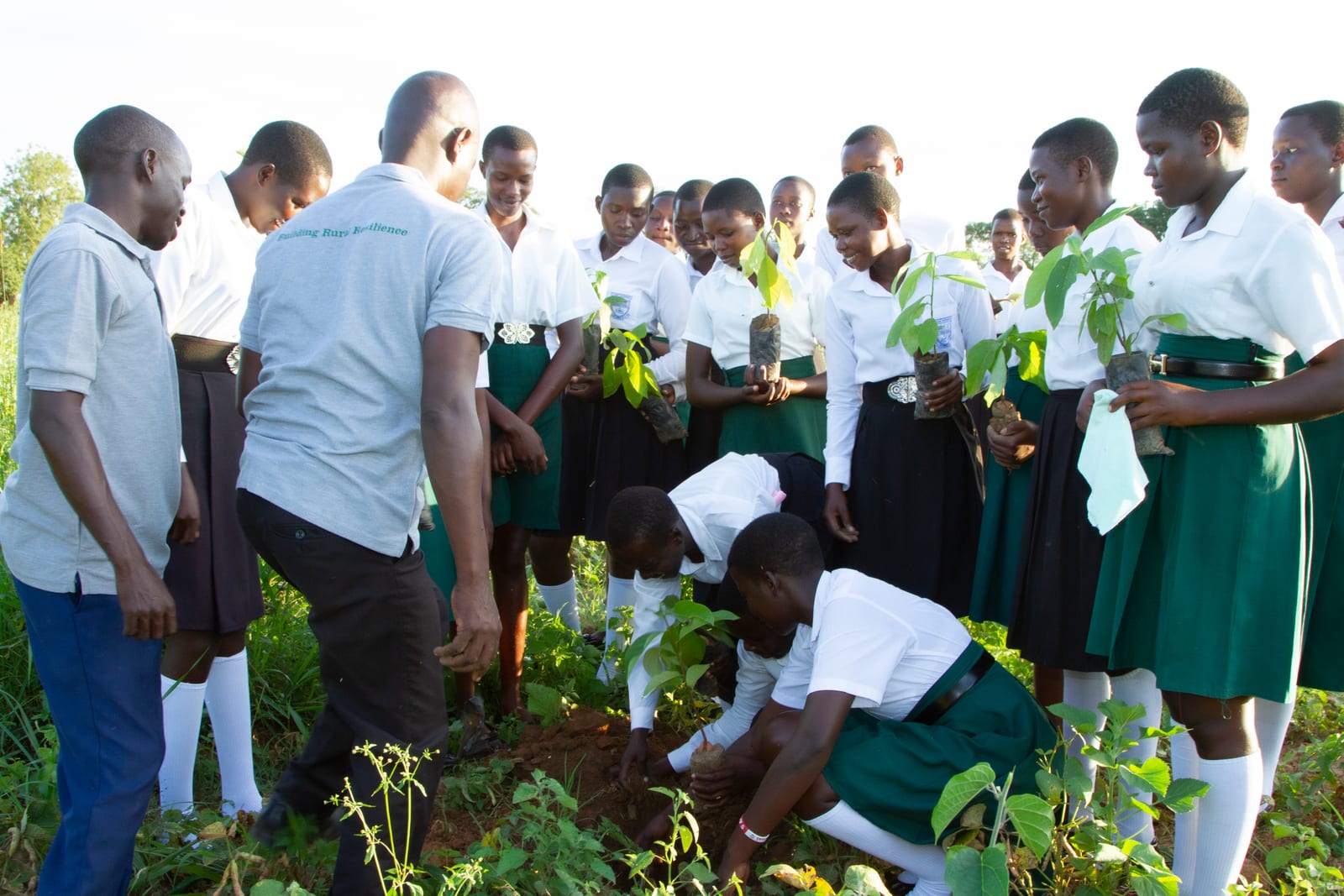
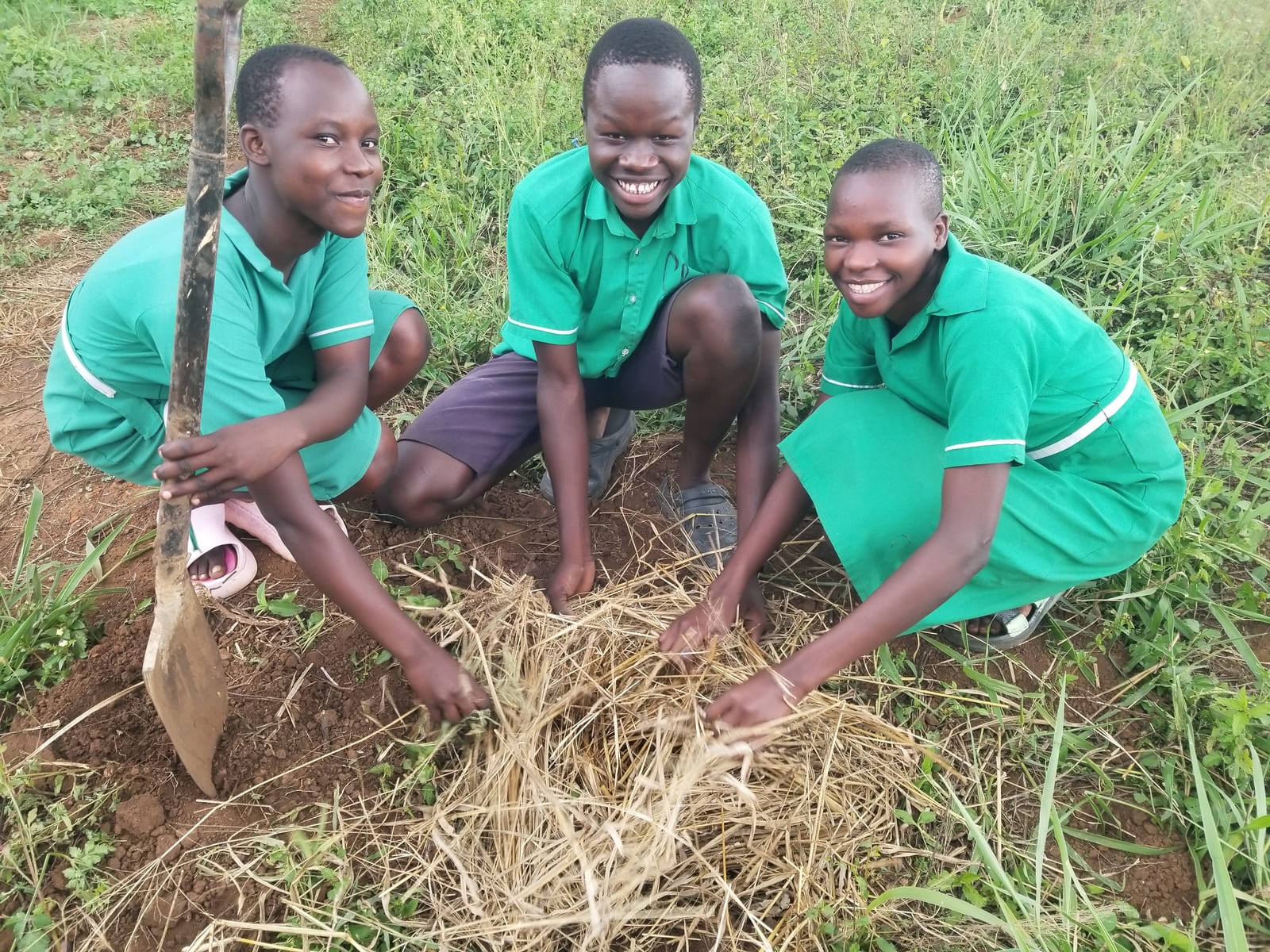
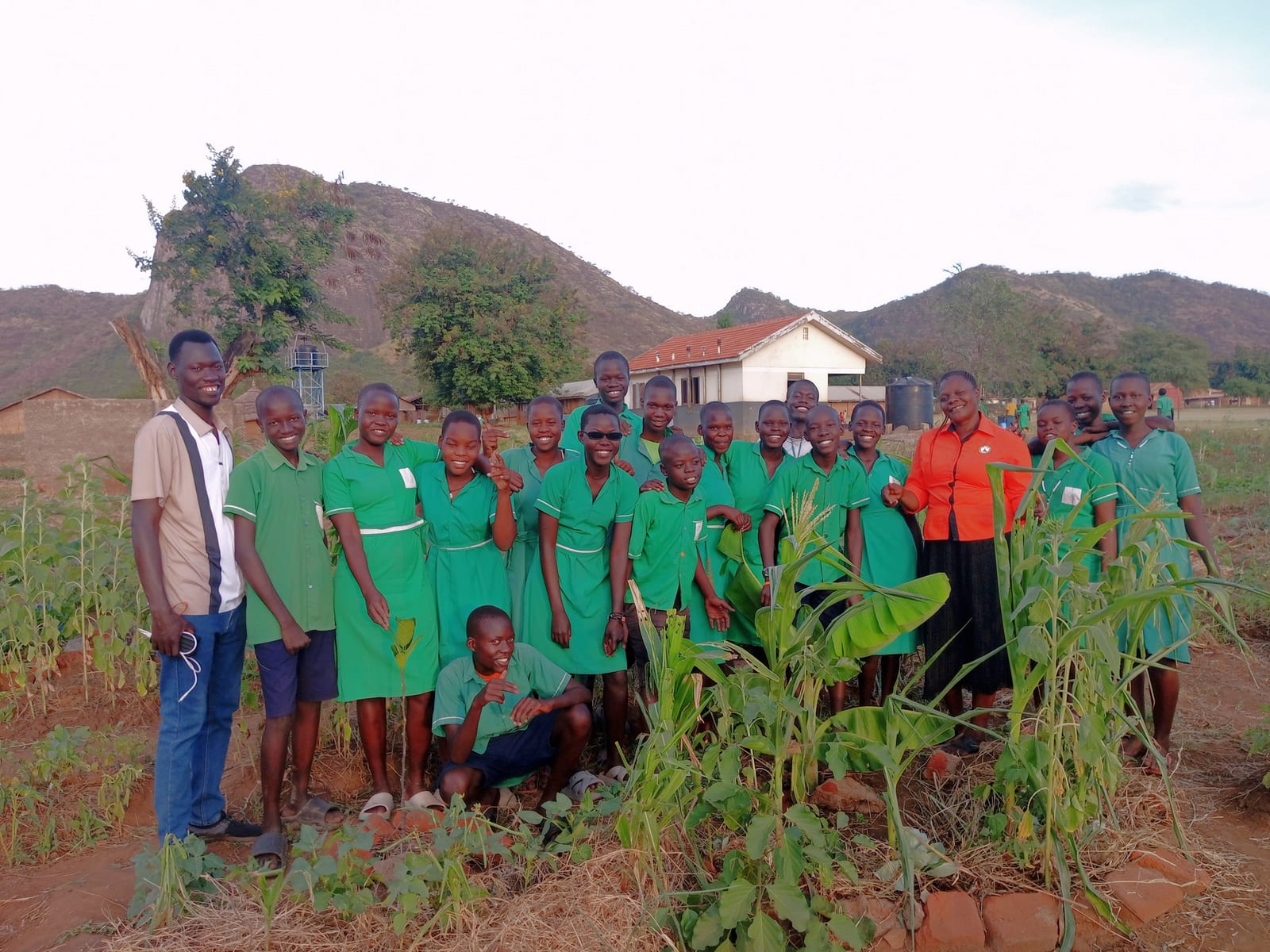
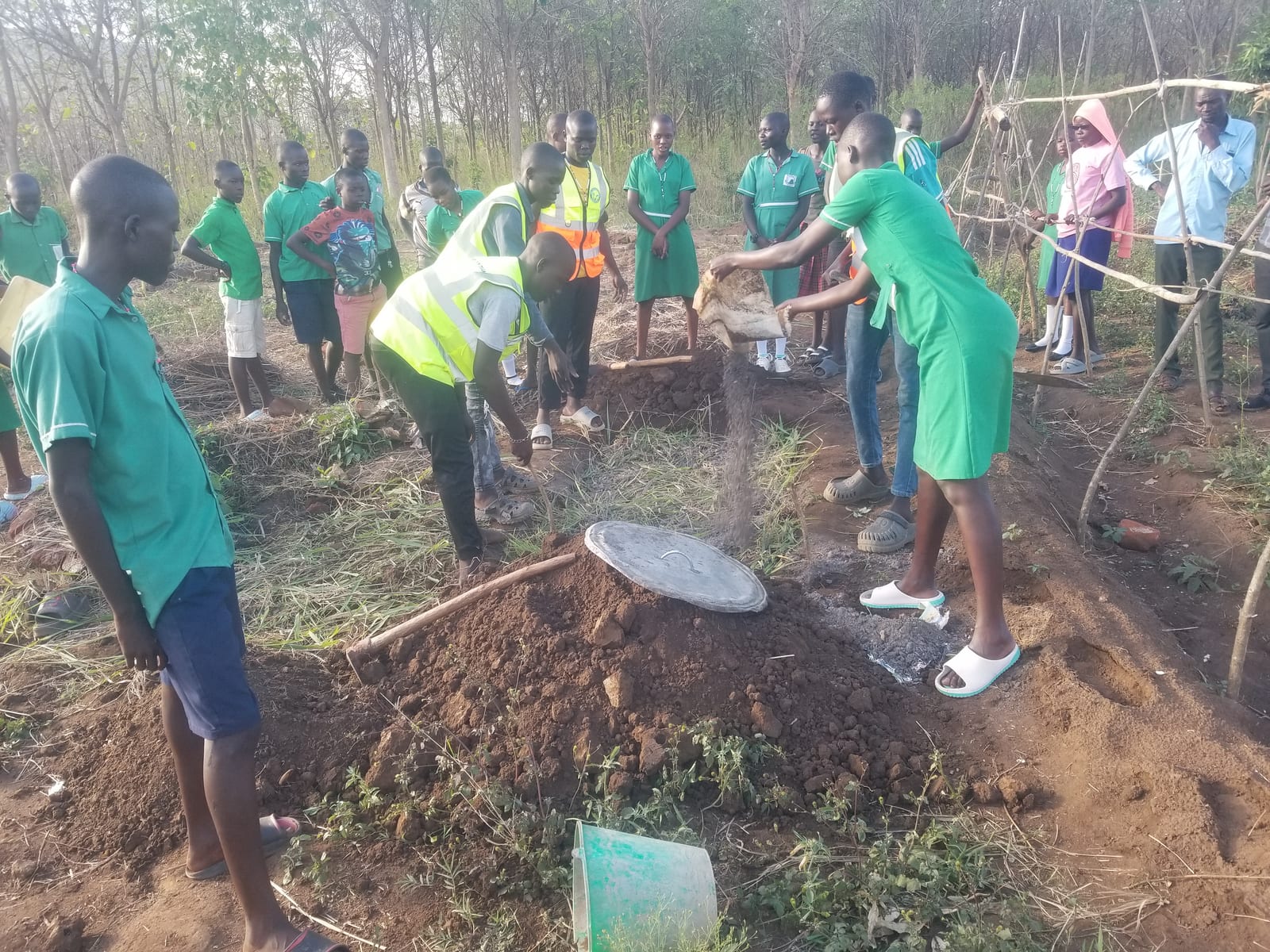
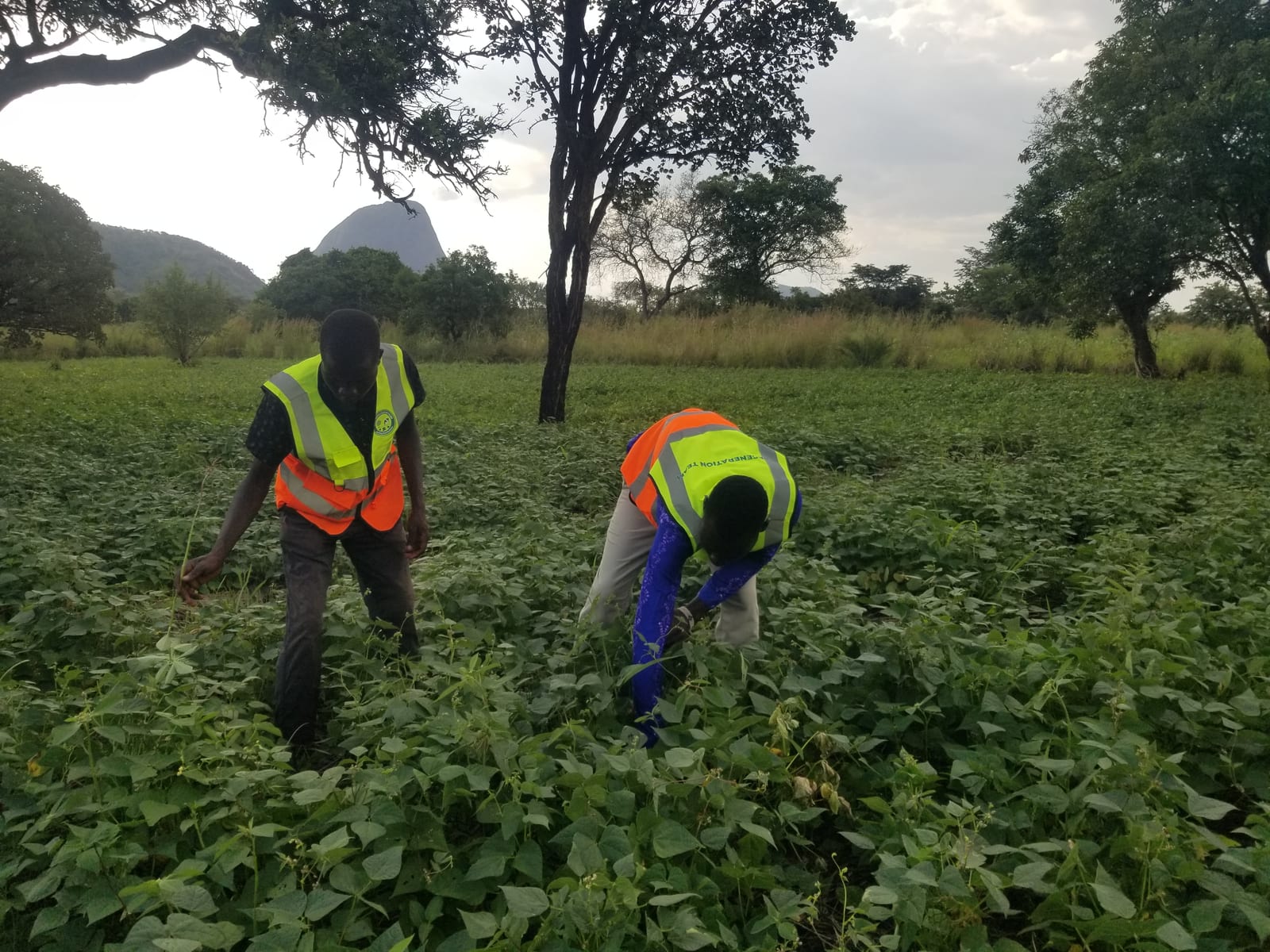
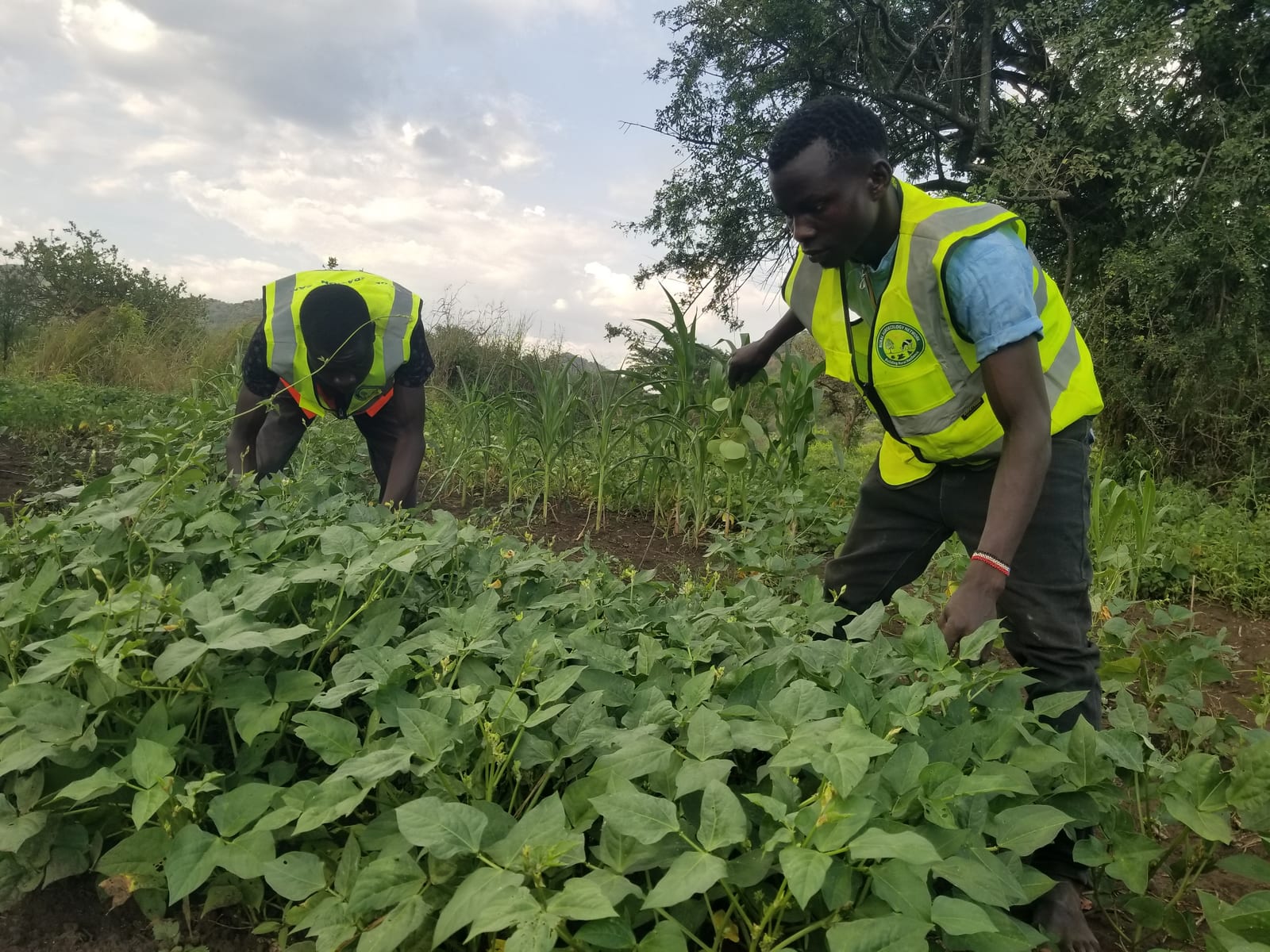
The project's core model connects schools, farmers, community groups, and conservation initiatives into practical learning and action hubs. Schools function as agroecology demonstration, research, and training centers where children, teachers, and farmers learn regenerative agriculture, soil restoration, biodiversity conservation, indigenous seed saving, tree regeneration, and climate action.
Scale:
- The submission estimates more than 200,000 farming households across the wider target area, subject to baseline mapping. This is a planning-area estimate, not a count of households already reached.
- Direct beneficiaries: school children, teachers, smallholder farmers, women, and youth - reached through 5 existing school-community agroecology learning hubs and 500+ farmers annually per hub
- The submission's potential indirect reach is derived from the wider-area estimate of 200,000 households and an assumed average household size of 6.5. This indicates approximately 1.3 million potential residents, not verified beneficiaries; school learners should not automatically be added without checking overlap.
- 5-10 year projection: a scalable network of school-community agroecology and conservation hubs across Northern/Northeastern Uganda, expanding through additional schools, farmer networks, community seed banks, and indigenous woodland restoration sites
Ecological Landscape
- Primary ecosystem type: Agricultural landscape
- Environmental conditions present: deforestation, soil degradation, water scarcity, biodiversity loss
- Restoration priorities: regeneration of indigenous woodlands, restoration of degraded soils, conservation of indigenous tree species, protection and multiplication of indigenous crop varieties, improved soil fertility, regenerative agriculture, and stronger community seed systems
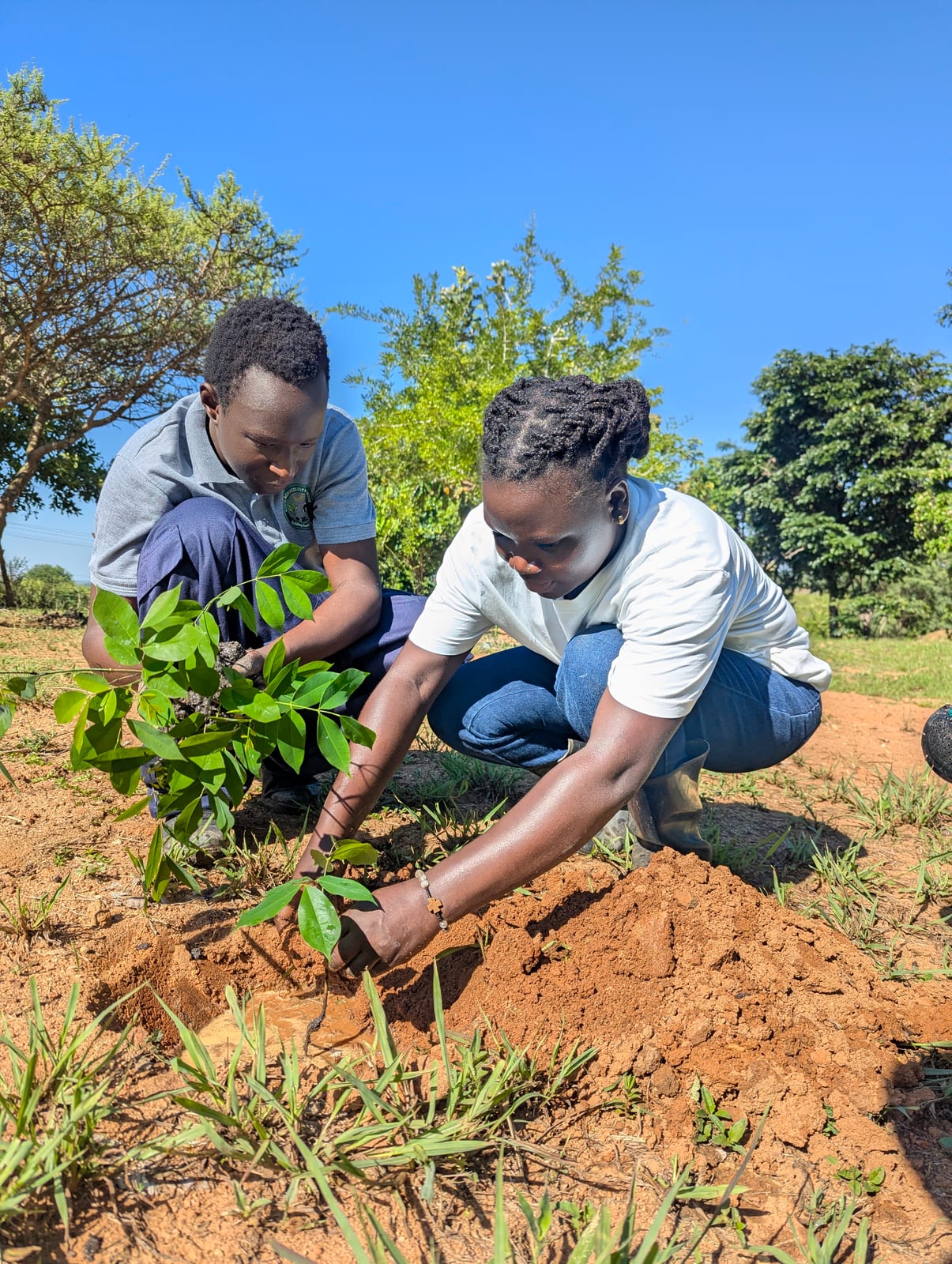
A flagship initiative - the Village Green Wall Initiative - will regenerate indigenous woodlands and protect more than 60 indigenous tree species, alongside community seed banks to conserve indigenous crop diversity.
Back to sections ↑Regional Economic Context
- Major economic activities: agriculture, livestock, forestry, fishing, local trade
- Known natural resources: forests, rivers/watersheds, fertile agricultural land, wildlife habitats
- Mining/extractive activity: None substantial reported in the project's host areas - no significant environmental impacts from resource extraction noted
Core Project Systems
Rural Schools' Agroecology Programme
- School-community agroecology learning hubs
- Practical agroecology and climate education integrated into school curricula
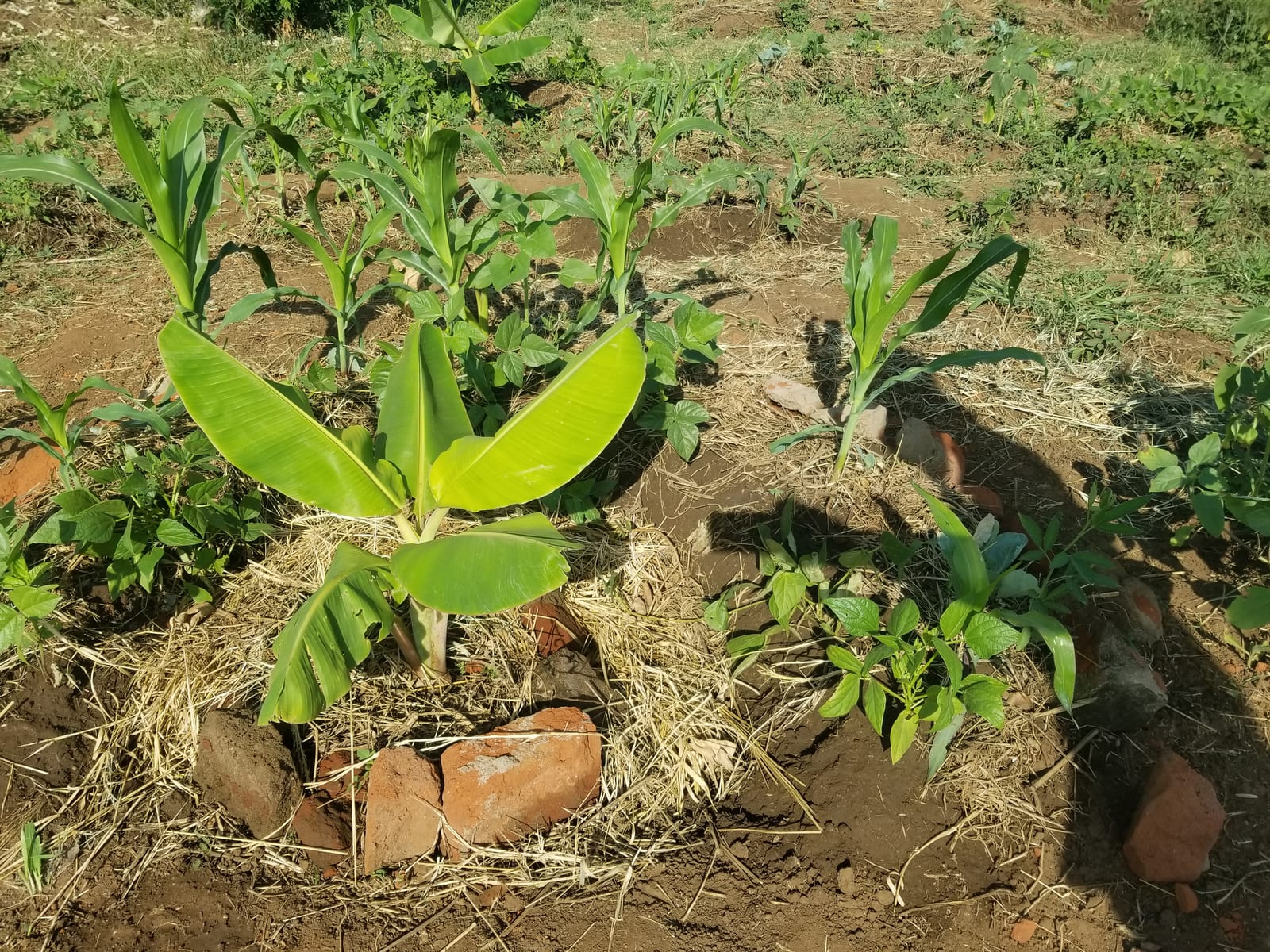
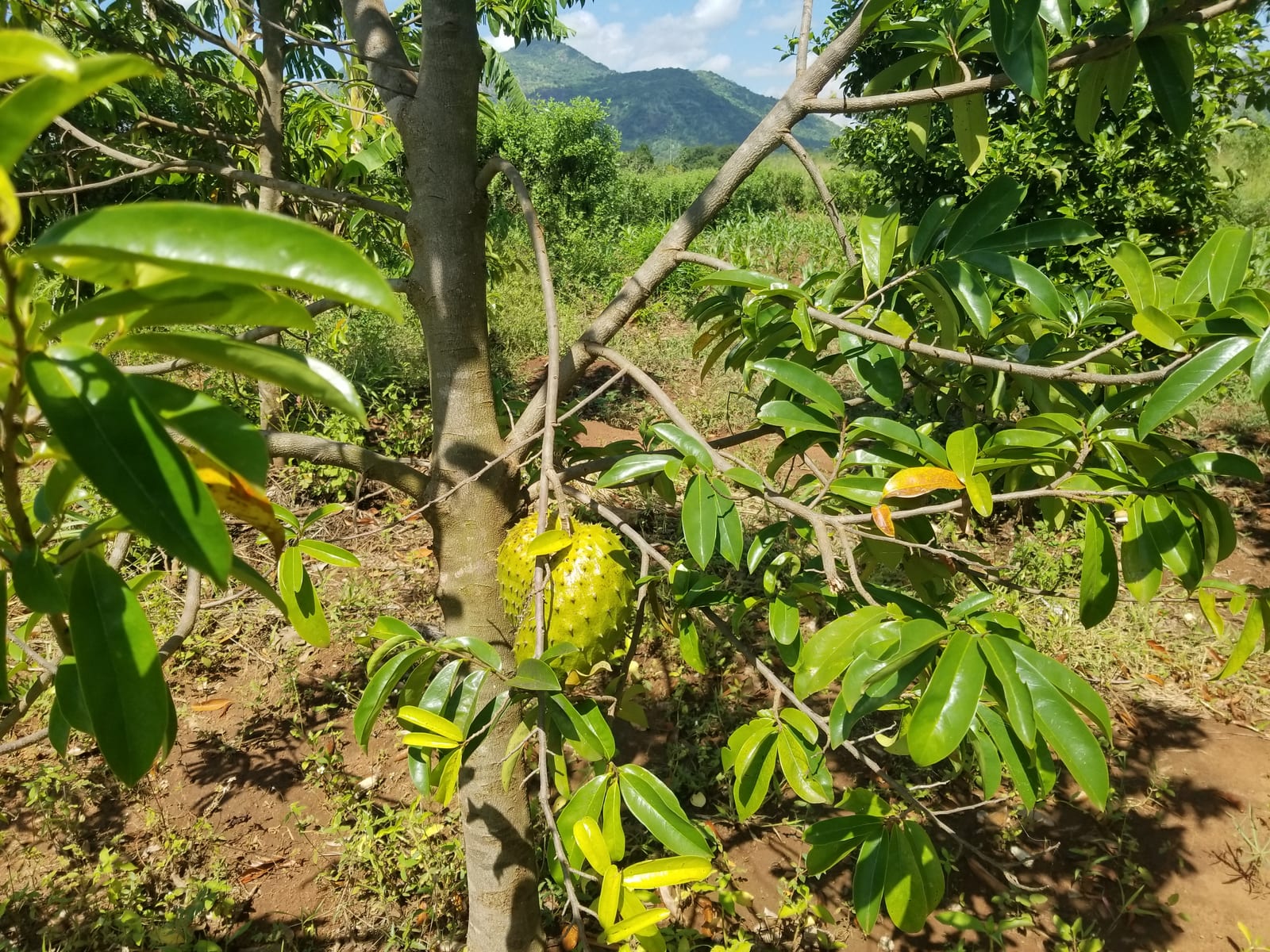
- School gardens for vegetables and fruit
- Training in soil restoration, regenerative agriculture, biodiversity conservation, and climate action
- Children positioned as agroecology trainers and community ambassadors
- Emphasis on girls' leadership and participation
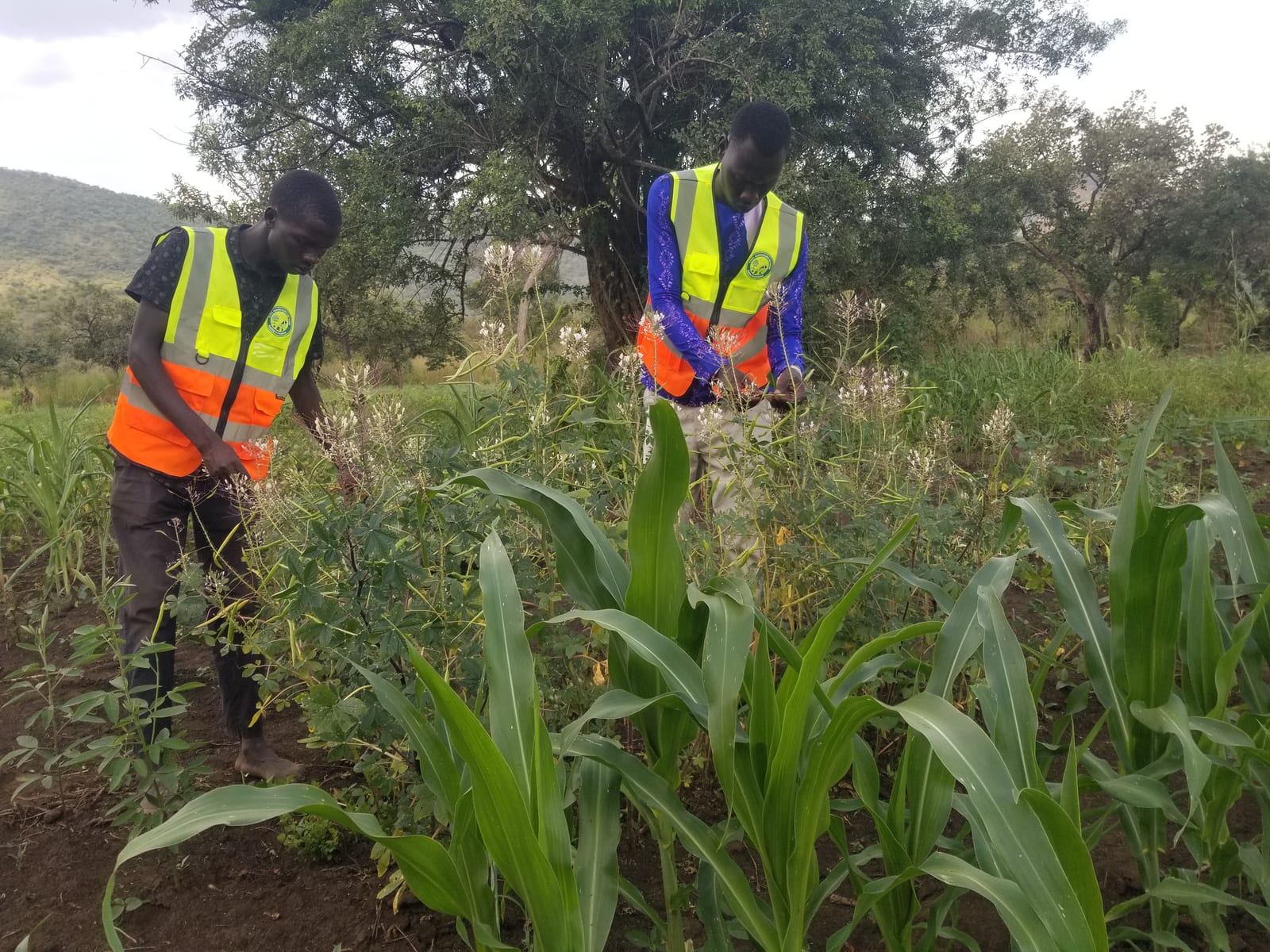
- Links between schools and farmers for demonstration, research, and training
Community Conservation Integrated Action
- Build village policy and implementation committees on agroecology and biodiversity conservation
- Set up a regional native seeds research and conservation centre in Abim on 50 acres, including accommodations and conference facilities
- Indigenous woodland regeneration via the Village Green Wall Initiative
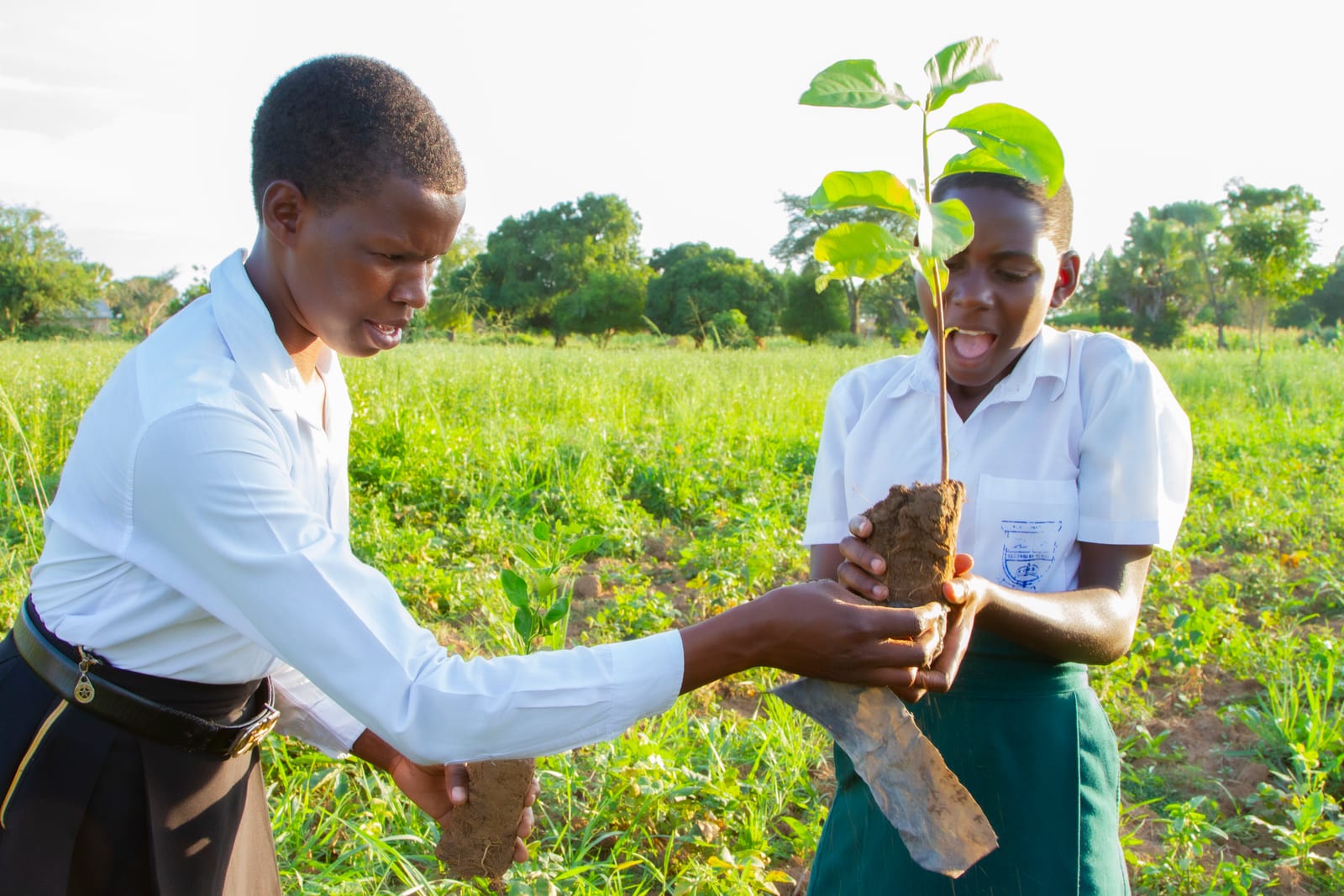
- Set up 10+ community-managed indigenous tree nursery centres
- Conservation of 60+ indigenous tree species
- Community-managed indigenous seed banks
- Multiplication, preservation, and exchange of indigenous crop varieties
- Seed breeding and multiplication programme targeting 70+ indigenous crop varieties
- Farmer-led seed saving systems
- Restoration of degraded agricultural landscapes through regenerative agriculture
Sustainable Value Addition and Waste Management
- Creating new products from agricultural and environmental waste
- Establishing a local micro factory that turns organic agricultural waste - specifically banana leaf - into reusable sanitary pads
- Transforming plastic waste into crafts and educational materials (reading cards, numbers, lettering) to improve literacy for primary-school children aged 6-9
- Setting up at least 5 sanitary pad manufacturing micro-factories hosted by rural schools
- Providing sustainable economic returns for townships, households, and rural communities from waste
- Ensuring clean, green communities with zero waste
Planned workforce: ten women and two administrators per facility.
Additional activities: Climate education, social behavior change communication for community education and climate action, agro-innovations, restoration research and development, and digital skilling for climate action.
Back to sections ↑Three Pillars of Sustainability
Social
Connects education, food production, nutrition, environmental stewardship, and livelihood resilience. Schools become practical learning spaces; children and youth are positioned as environmental ambassadors, with particular emphasis on girls' leadership. Farmers gain access to practical knowledge through the school-community hubs.
Environmental
Restoration is central - indigenous woodland regeneration through native-tree regeneration, regenerative agriculture, soil restoration, and biodiversity conservation. The Village Green Wall Initiative creates conservation learning corridors in Abim and around the Abim-Kotido border. Community seed banks and multiplication of 70+ indigenous crop varieties protect agricultural biodiversity and genetic diversity.
Financial
Improves agricultural productivity and reduces farmers' dependence on external inputs through regenerative agriculture and indigenous seed multiplication. A community seed multiplication model has farmers return twice the seed quantity received, creating a self-sustaining cycle of access and ownership. Longer-term, the project sees opportunity in seed multiplication, nurseries, agroforestry, and community-based conservation enterprises.
The proposed banana-leaf sanitary-pad micro-factories would create paid work for women and support local crop value chains. Enterprise surpluses are intended to help fund community programmes. The operating model below remains a set of planning assumptions.
Financial model - key assumptions (per submitted revenue model):
| Item | Value | Notes |
|---|---|---|
| Ramp production (Months 1-2) | 250,000 pads/month | |
| Full production (Month 3+) | 500,000 pads/month | |
| Selling price per pad | $0.13 | Blended price |
| Operating cost per pad | $0.10 | Includes materials, labor, utilities |
| Machinery cost | $175,000 | Semi-auto line |
| Loan term | 36 months | 3 years |
| Reserve allocation | 25% | Of surplus after loan |
| School subsidy | 10% | Of total production |
At the model's full output of 500,000 pads per month, selling every pad at US$0.13 against operating costs of US$0.10 per pad would leave US$15,000 per month before loan repayments, reserves and the school subsidy. If 10% of total production is provided to schools without sales revenue, the same assumptions leave approximately US$8,500 per month before loan repayments and reserves. These are illustrative calculations, not achieved results or a confirmed financing plan.
Back to sections ↑Role Within the Country Platform
RAN positions itself as a demonstration model for Uganda's broader development priorities - integrating climate education, regenerative agriculture, biodiversity conservation, indigenous seed preservation, and community-led restoration. The school-community hubs could serve as national-level training and demonstration centers, and the project sees itself contributing seedlings, seeds, knowledge, and documented practice to wider national conversations on climate resilience and sustainable agriculture.
Potential synergies span agricultural extension programs, conservation initiatives, seed networks, schools, universities, research institutions, and government agencies - with specific interest in seed distribution networks, tree nursery/landscape restoration initiatives, youth environmental leadership, value addition and waste management, and nutrition/school feeding programs.
Back to sections ↑Collaboration & Partnership Needs
- Technical support in regenerative agriculture, agroecology, biodiversity conservation, indigenous seed systems, and landscape restoration
- Seed and nursery support for indigenous crop and tree regeneration
- Training and capacity development for teachers, youth, farmers, and community leaders
- Water and climate-resilient infrastructure for school gardens and community food production zones
- Research partnerships to document indigenous crop varieties and restoration outcomes
- Transport/logistics support for outreach, seed distribution, and monitoring
- Financial support to expand learning hubs, seed banks, woodland restoration, and micro value-addition factories utilizing organic farm waste
- Policy and institutional partnerships integrating agroecology and climate education into relevant systems
Governance
- Project Lead: Ogwang Robert Rapsy, Co-Founder & Programme Advisor, Rural Agroecology Network
- Local partners: Schools, community institutions, local government structures (Abim and Amolatar Districts), farmer groups, and organizations in agroecology, food systems, conservation, and youth development
- Community groups involved: Smallholder farmers, school agroecology clubs, school-going children and youth, teachers, women and girls, community conservation groups, community seed-bank groups, farmer learning groups, and local leadership structures
- Relevant training completed: Earth Awareness, Nursery Management, Resilience Design Regenerative Agriculture (African Women Rising Uganda), Indigenous Seeds Security (Seed Savers Network Kenya)