
Project description
A planned community platform brings safe housing, education, health services and regenerative landscapes together. Its Living Museum uses art, storytelling, music and movement to support cultural identity and trauma recovery, alongside women-led enterprise.
Explore the community context, existing work and development plans described by the project.
Community Context
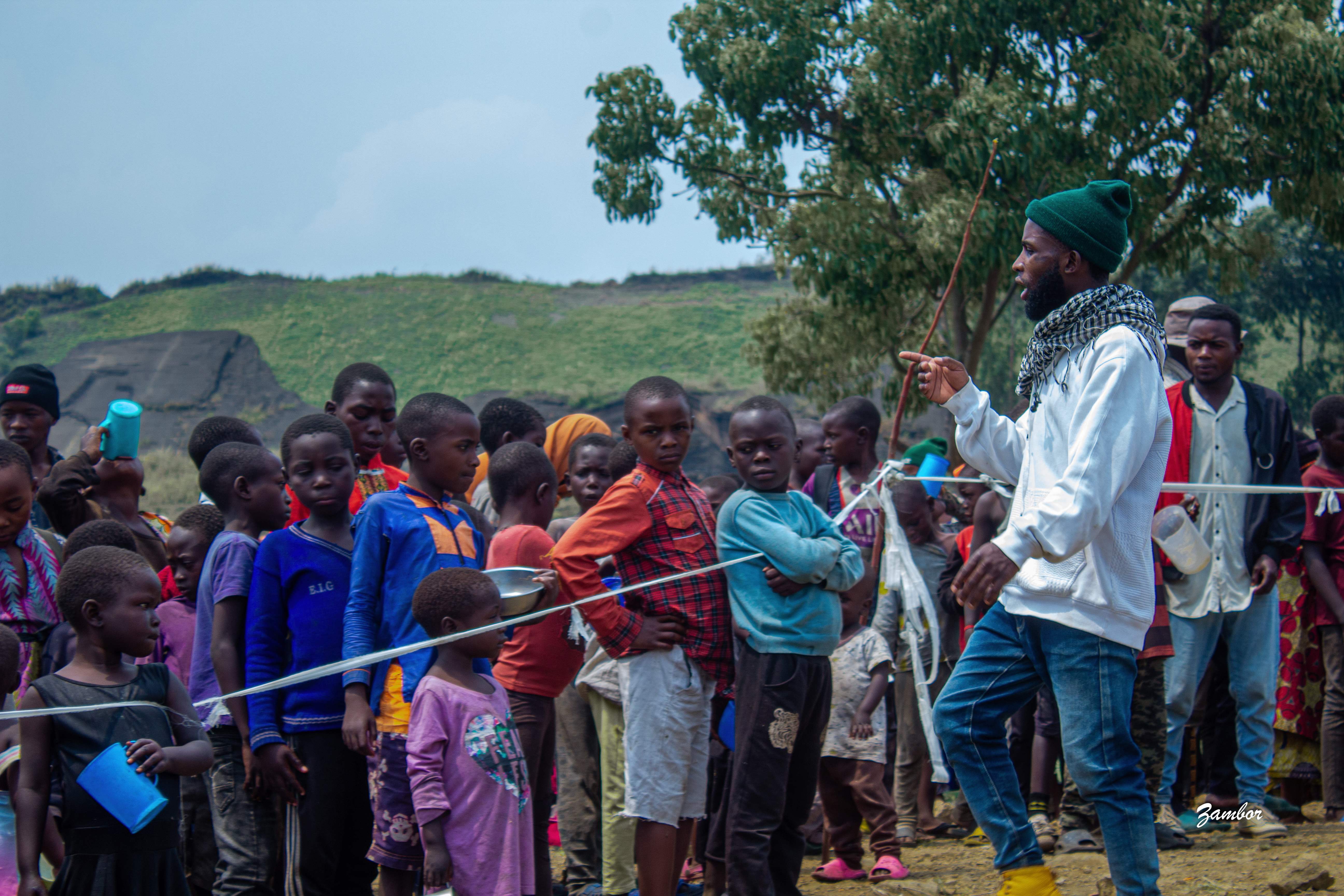
The Democratic Republic of Congo continues to face long-term social, economic, and psychological impacts of conflict, displacement, and poverty. In Kinshasa, displaced children and families often lack stable environments, access to care, and culturally grounded healing systems.
The Tala Mosika project, led by Zambor Inc. and supported by Collaborative for Change and LCPA Federation, responds by developing a fully integrated community platform, combining:
- safe housing and care
- education systems
- cultural and psychosocial healing
- livelihoods and economic participation
- ecological restoration and land-based systems
At its core is a Living Museum model, where art, storytelling, music, and cultural practices serve as tools for trauma recovery, identity rebuilding, and social cohesion.
Back to sections ↑Project Scale & Land Framework
The Tala Mosika project is designed as a 100-hectare integrated community platform, enabling long-term, system-based development rather than isolated interventions.
The concept note describes land stewardship for community development, with site confirmation and land structuring still listed among the project's needs. The proposed platform would support:
- residential and child protection facilities
- regenerative agriculture and large-scale food forests
- biodiversity conservation corridors
- water infrastructure and rain capture systems
- renewable energy systems
- livestock and nutrient cycling platforms
- vocational training campus
- primary and secondary school campus
- clinic, laboratory, and natural pharmacy
- women-led enterprise facilities
This is not a single-site intervention. It is a fully integrated land-based community ecosystem.
Back to sections ↑Ecological Landscape
Primary Ecosystem Type Urban/peri-urban transitioning into regenerative land systems
Environmental Conditions
- land degradation
- limited structured green systems
- pressure from urban expansion
Restoration Needs
- food forest development
- biodiversity corridor creation
- soil regeneration
- integrated water systems
Regional Economic Context
Major Economic Activities
- informal economy
- agriculture (peri-urban)
- trade and small enterprise
- arts and cultural production
Core Project Systems
Education Platform
- Primary school (core curriculum, arts, sports, and nutrition linked to food systems)
- Secondary school with academic and vocational tracks
Vocational Training Systems
Training pathways include:
- renewable energy systems maintenance
- water infrastructure management
- regenerative agriculture and agroforestry
- health services and laboratory training
- natural product and sanitary product manufacturing
- livestock systems and nutrient cycling
Integrated Health Platform
- community clinic
- diagnostic laboratory
- natural pharmacy (cultivation and preparation)
- preventive and culturally grounded health services
- menstrual health production integrated with health systems
Aligned with the Swiss-inspired integrated health model supported by LCPA Federation.
Living Museum & Cultural Healing System
- storytelling, visual arts, and participatory media
- traditional dance and movement therapy
- music, performance, and community rituals
- co-designed cultural spaces
This system:
- supports trauma recovery
- restores identity and dignity
- builds community cohesion
Women-Led Enterprise Systems
- sanitary pad manufacturing
- art production and cultural goods
- local enterprise development
Regenerative Land Systems (100 Hectares)
- nursery development
- large-scale food forests
- agroecology and soil restoration
- biodiversity conservation corridors
- livestock rotation and manure systems
- community-scale food sovereignty
Three Pillars of Sustainability
Social Pillar
- safe housing and care systems
- trauma recovery and psychosocial support
- education access and youth development
- cultural identity restoration
- community cohesion
Environmental Pillar
- regenerative agriculture and food systems
- biodiversity restoration
- water conservation systems
- soil regeneration
- integration of ecological and cultural landscapes
Financial Pillar
- sanitary pad manufacturing (primary revenue driver)
- art-based products and exhibitions
- agricultural production and surplus
- livestock systems
- vocational skill-based livelihoods
Role Within the Country Platform
- Anchor site for integrated community development in the DRC
- Demonstration of combining healing, health, education, and livelihoods
- Urban/peri-urban complement to rural agroecology-based systems
- Training and replication hub within a coordinated national rollout
Potential Synergies With Other Projects
- integration with national health systems
- shared vocational training frameworks
- women-led enterprise networks
- agricultural and food system linkages
- cultural and knowledge exchange across regions
Collaboration Needs
- site confirmation and land structuring
- infrastructure development support
- integration with LCPA financing platform
- health system build-out (clinic, lab, natural pharmacy)
- vocational training support
- long-term investment and implementation partners
Community Leadership & Governance
Project Lead Organization Zambor Inc.
Project Leadership Structure
- Craig Junior Kabamba – Project Lead (DRC-based, responsible for in-country coordination, strategy, and implementation)
- Jacky Zambor – Founder, Zambor Inc. (strategic oversight and international coordination)
Training Alignment
- Earth Awareness: Restoration Principles and Practices (Jill Wagner) – Completed by Craig Kabamba
Strategic & Implementation Partners
- Collaborative for Change, Inc. (project development framework and integration)
- LCPA Federation (infrastructure, financing, and country-level coordination)
Community Groups Involved
- displaced families
- women’s groups
- local artists and cultural leaders